
High-Performance Homes in Vancouver: BC Energy Step Code
BC Energy Step Code affects custom home design, cost, and comfort. Here's what Metro Vancouver homeowners need to know before building.
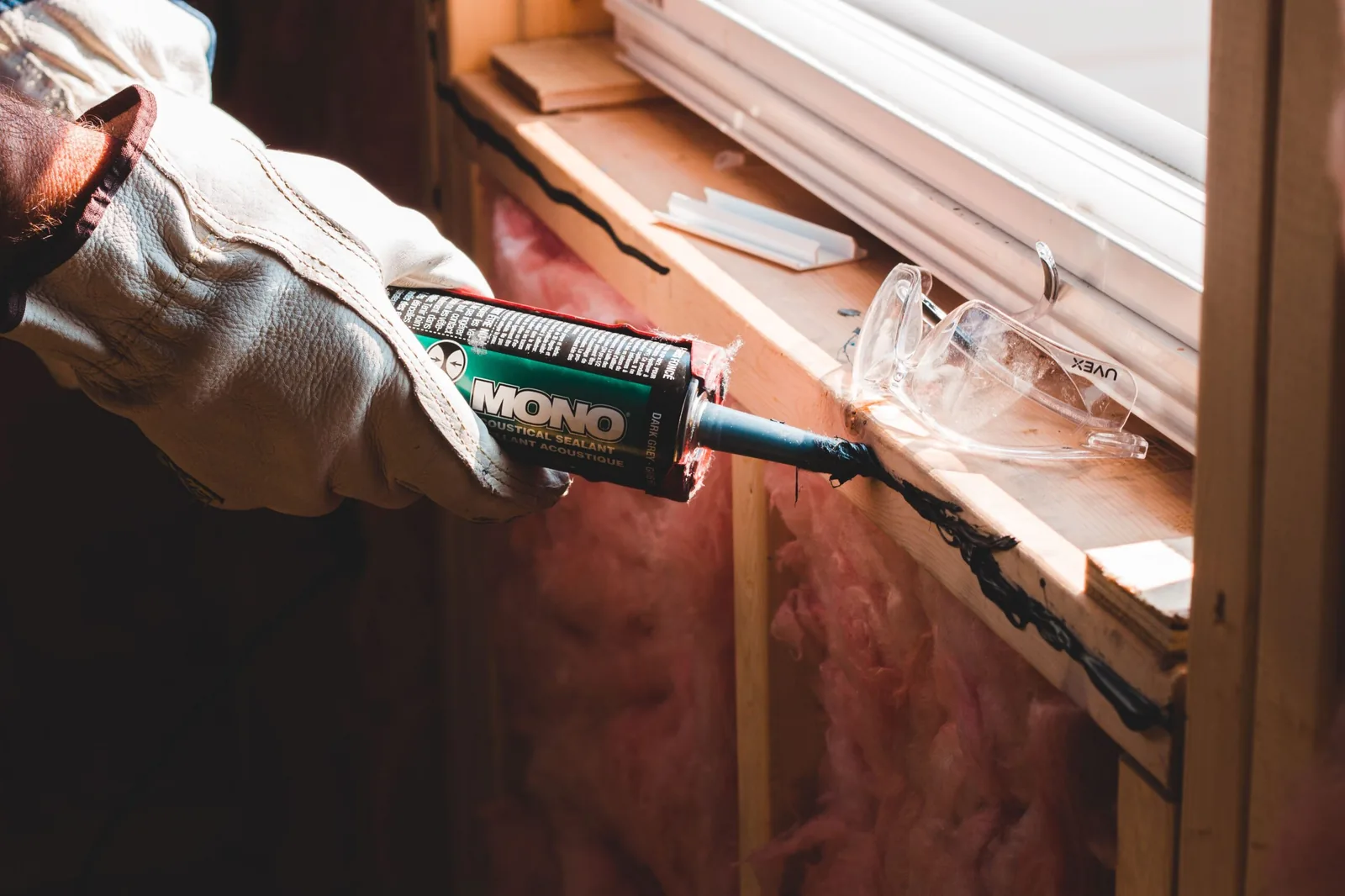
In short, The BC Energy Step Code sets mandatory, performance-based energy efficiency and airtightness targets for new residential construction, measured by Thermal Energy Demand Intensity and Greenhouse Gas Intensity. Each municipality sets its own minimum step, and those minimums have been rising: Vancouver has required Zero Carbon Step Code EL-4 for 1 to 3 storey residential buildings since March 1, 2025, Burnaby has required Step 3 and EL-4 since January 2025, and the province has set a goal of Step 5, net-zero energy ready, for all new BC buildings by 2032. Planning for the required step early in design, before drawings are finalized, avoids costly redesigns once the energy model is run.
If you are planning a custom home in Metro Vancouver or the Fraser Valley, energy performance is no longer optional. The BC Energy Step Code sets mandatory efficiency targets for new construction, and those requirements have been tightening, with more changes coming before 2032.
For most homeowners, Step Code feels like a compliance hurdle. Done right, it is something different: an opportunity to build a home that costs less to run, performs better year-round, and holds its value as the market increasingly recognizes these qualities.
Here is what you actually need to know before you start designing.
What Is the BC Energy Step Code?
The BC Energy and Zero Carbon Step Codes are provincial, performance-based standards that set measurable energy efficiency and airtightness targets for new residential buildings. They work alongside the BC Building Code and are structured in steps, from Step 1 up to Step 5, which is Net-Zero Energy Ready.
The step your home must meet depends on where you are building. Each municipality sets its own minimum requirement, and those minimums have been rising steadily.
As of 2026, here is where key municipalities in our service area stand for new single-family homes:
- City of Vancouver, follows the Vancouver Building Bylaw, which since March 1, 2025 requires 1 to 3 storey residential buildings to align with the top tier of the BC Zero Carbon Step Code, EL-4. Vancouver uses its own checklist system rather than Step Code directly, but the performance expectations are equivalent or higher. You can review Vancouver energy efficiency requirements for homes here.
- Burnaby, Energy Step Code Step 3 and Zero Carbon EL-4, in effect since January 2025. Burnaby’s green building requirements provide more detail.
- West Vancouver, Zero Carbon Step Code EL-3, in effect since November 2023
- Coquitlam, Step 3, in effect since May 2023
- Most other Metro Vancouver and Fraser Valley municipalities, Step 3 minimum as of 2025, with many moving toward Step 4
The trajectory is clear: requirements are moving up. The province has set a goal of getting every new BC building to net-zero energy ready, Step 5, by 2032. What is optional today is headed toward becoming required.
What Step Code Actually Requires in Practice
Step Code is performance-based. That means it does not prescribe exactly how you build. Instead, it sets targets your home must hit, and you choose how to reach them.
Those targets are measured in two main ways:
- Thermal Energy Demand Intensity (TEDI), how much energy your home needs for heating and cooling per square metre. A tighter, better-insulated building envelope leads to a lower TEDI.
- Greenhouse Gas Intensity (GHGI), the carbon emissions your home’s energy systems produce per square metre per year. This is where heating system choice matters.
At Step 3 and above, most homes will need:
- enhanced insulation throughout the building envelope
- high-performance windows and doors, often triple-pane at upper steps
- a well-sealed building envelope verified by blower door testing
- HRV or ERV ventilation to maintain air quality in a tighter home
- an energy model completed by a registered Energy Advisor before and after construction
At Zero Carbon Step Code levels, the heating system itself becomes more important. Gas furnaces become harder to use at higher performance levels. Electric heat pumps, which provide both heating and cooling efficiently, are now the standard choice for many new custom homes targeting upper Step Code levels.
Why This Matters More Than Compliance
The energy model for your home is not just a permit document. It shapes decisions that affect comfort, efficiency, and operating cost for decades.
A home built to Step 3 or Step 4 will usually:
- hold more consistent indoor temperatures
- cost less to heat and cool
- perform better in both winter and summer
- reduce the risk of moisture-related issues through better envelope detailing
- qualify for rebates that are not available to homes built only to minimum standards
That last point matters. Better Homes BC rebates and broader CleanBC rebates and incentives can provide meaningful support for homeowners building higher-performance homes with electric systems such as heat pumps.
The Catch: It Has to Be Planned Early
Step Code compliance is not something you add at the end of a project. It affects key decisions made during design, including insulation strategy, window specifications, mechanical systems, airtightness details, and how all of those parts work together.
The energy model should be one of the first things reviewed, not one of the last.
If the design team is finalizing drawings without input from an energy advisor, the project is far more likely to run into either compliance issues or costly redesigns.
This is one of the clearest examples of why early builder involvement matters . At Venture Pacific, we coordinate with the design team and the energy advisor from the beginning of the planning process. We align the building envelope, mechanical systems, and construction strategy before drawings are finalized. That reduces surprises later and helps the project move more smoothly through permits and inspections.
This also connects closely to custom home cost in Vancouver , because energy performance requirements directly affect pricing, materials, systems, and long-term value.
What to Expect on a High-Performance Custom Home
Building to Step 3 or Step 4 does add cost compared to a minimum-compliance home, but the premium is often smaller than homeowners expect when it is planned from the beginning.
The biggest cost drivers at higher Step Code levels are usually:
- triple-pane windows
- stronger wall and roof assemblies
- heat pump systems
- Energy Advisor fees and testing
- more careful detailing to meet airtightness targets
When these elements are built into the project early, and available rebates are factored in, the net added cost is often far more manageable than homeowners assume.
That is one reason how the right builder helps create a stress free custom home or renovation is such an important part of the conversation. High-performance homes need more planning, but they also benefit more from early structure and coordination.
The Bigger Picture
Climate goals are pushing building code requirements in one direction: higher performance and lower carbon.
The Step Code path is not likely to reverse. Step 5 by 2032 is the provincial mandate.
A custom home built to Step 3 or Step 4 today is ahead of that curve. A home built only to minimum requirements today may feel dated much sooner and may require expensive upgrades long before the homeowner expects.
For homeowners who plan to live in their home long term, the case for building to upper Step Code levels is simple: better comfort, lower operating costs, stronger long-term value, and incentives that are available now but may not always remain.
If you are still deciding whether a new build is the right path, it may also help to read Custom Home or Major Renovation: Which Is Right for You?
Ready to Plan a High-Performance Custom Home?
At Venture Pacific Construction Management, high-performance construction is part of how we approach every custom home project.
If you are thinking about a custom build in Metro Vancouver or the Fraser Valley and want to understand what Step Code means for your specific project, book a free consultation with our team.
Related guides: how we build high performance homes in Vancouver to a set Step Code target, the Step Code rules for a multiplex, and energy upgrades for an existing home.
Frequently asked
What is the BC Energy Step Code?
It's a provincial, performance-based standard that sets measurable energy efficiency and airtightness targets for new residential buildings, structured in steps from Step 1 up to Step 5, which is Net-Zero Energy Ready. It works alongside the BC Building Code, and each municipality sets its own minimum step requirement, which has been rising steadily.
What Step Code level does Vancouver require for a new custom home?
The City of Vancouver follows the Vancouver Building Bylaw, which since March 1, 2025 requires 1 to 3 storey residential buildings to align with the top tier of the BC Zero Carbon Step Code, EL-4. Vancouver uses its own checklist system rather than applying Step Code directly, but the performance expectations built into that checklist are equivalent or higher than that level.
Will Step Code requirements keep increasing?
The province has set a goal of getting all new BC buildings to net-zero energy ready, Step 5, by 2032, though the government has not set a specific mandate date for that final step. Most Metro Vancouver and Fraser Valley municipalities sit at a Step 3 minimum as of 2025, with many actively moving toward Step 4, so what's optional today is headed toward becoming required.
How is Step Code performance actually measured?
Two main metrics: Thermal Energy Demand Intensity (TEDI), how much energy the home needs for heating and cooling per square metre, which a tighter, better-insulated envelope lowers, and Greenhouse Gas Intensity (GHGI), the carbon emissions from the home's energy systems per square metre per year, where the heating system choice matters most.
What does a home need to meet Step 3 or higher?
Enhanced insulation throughout the building envelope, high-performance windows and doors, often triple-pane at upper steps, a well-sealed envelope verified by blower door testing, HRV or ERV ventilation to maintain air quality in a tighter home, and an energy model completed by a registered Energy Advisor before and after construction.
Does building to a higher Step Code level qualify for rebates?
Yes. Better Homes BC rebates and broader CleanBC rebates and incentives can provide meaningful support for homeowners building higher-performance homes with electric systems such as heat pumps, support that is not available to homes built only to the minimum required standards under the current bylaw.
Why does Step Code planning need to happen early in design?
Step Code compliance affects insulation strategy, window specifications, mechanical systems, and airtightness details, all decisions made during design, not after. If drawings are finalized without input from an energy advisor, the project is far more likely to run into compliance issues or costly redesigns once the energy model is actually run.
How much more does a Step 3 or Step 4 home cost to build?
The main cost drivers are triple-pane windows, stronger wall and roof assemblies, heat pump systems, Energy Advisor fees and testing, and more careful detailing to meet airtightness targets. When these are planned into the project from the start, and available rebates are factored in, the net added cost is usually smaller than homeowners expect.
Written by

Founder & President
Mark Van Ek is the founder and president of Venture Pacific, bringing more than 40 years of Metro Vancouver and the Fraser Valley construction management experience and multiple Georgie and HAVAN awards to every custom home, renovation, and multiplex project.
Full profile