
How a pre-construction budget protects you from change orders
Most change orders are decisions that were never made or never priced. A proper budget before construction closes those gaps while changes are still cheap.
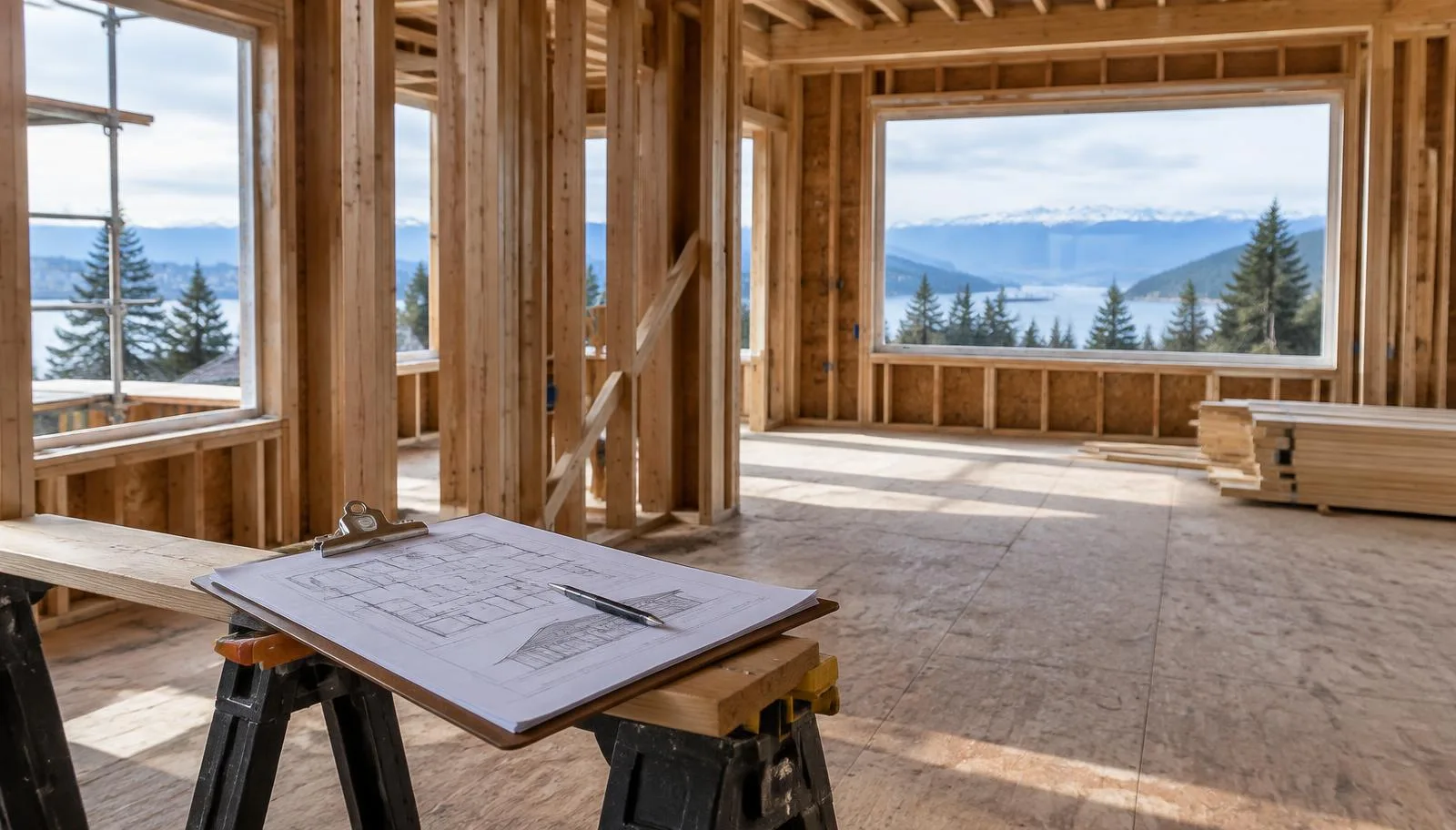
In short, Change orders on custom homes and renovations usually come from undecided selections, unpriced allowances, design gaps and unknown site conditions. A detailed pre-construction budget names these items, prices them, and sets allowances and contingency before construction, which keeps change orders smaller and fewer.
Nobody likes a change order. For a homeowner it feels like the price moved after the deal was done. For a builder it means paperwork, a pause and an awkward conversation. Both sides would rather avoid them, and the best place to do that is before construction starts.
Where change orders come from
When we look back at change orders on custom homes and renovations, most fall into a handful of groups.
- Selections that were never made. Flooring, tile, cabinets and fixtures were left as a line on a drawing, and the real choice cost more.
- Design gaps. A detail was not drawn, so the trades had to stop and ask, and the answer added work.
- Site conditions. Soil, water, rock or trees that nobody checked before the excavator showed up.
- Hidden conditions in older houses. Rot, old wiring or past work that was never inspected, found once the walls were open.
- Owner changes. A new idea halfway through, which is fair, but costs more once framing is up.
Only the last one is a true change of mind. The others are things that could have been found, decided or priced earlier.
Pre-construction budget
- Selections
- Chosen or given a realistic allowance
- Site conditions
- Checked before design is final
- Design details
- Reviewed for buildability
- Unknowns
- Covered by a named contingency
- Your choices
- Made while changes are cheap
Pricing as you go
- Selections
- Left open and priced late
- Site conditions
- Found when digging starts
- Design details
- Solved on site by the trades
- Unknowns
- Paid through change orders
- Your choices
- Made under time pressure
Source: Venture Pacific pre-construction process
What a proper pre-construction budget includes
A budget that protects you is more than a total. It shows you how the number was built.
It breaks the work into trades and stages, so you can see what the foundation costs against the finishes. It lists every allowance with a realistic figure, not a placeholder that looked good in a quote. It names a contingency and says what it is for. And it lists what is not included, so nothing gets assumed.
It also goes hand in hand with a schedule of decisions. If your tile needs to be chosen by a certain week to keep the job moving, you should know that from the start.
Allowances and contingency, used honestly
Low allowances are the most common way a quote looks cheaper than it is. If the cabinet allowance would not buy the cabinets you have in mind, the gap turns into a change order later. We would rather show you a higher, honest number up front.
Contingency works the same way. On an older house, opening the walls is when surprises arrive, so the contingency is usually larger than on a new build on a clean lot. Saying that early is much easier than explaining it later.
How the contract fits in
The way a contract handles change matters as much as the budget. Under a fixed price contract, every change shows up as a change order against the agreed number. Under cost plus or construction management, changes show up in the running costs you can see. Our guide to choosing a construction contract walks through the trade-offs without pushing one type.
Start with the plan
Our team brings 40+ years of construction experience to pre-construction, and the biggest lesson is simple: the cheapest time to make a decision is before anyone builds anything. You can hire us for this stage on its own. See our pre-construction page, read the pillar post on standalone pre-construction, or look at our custom homes service.
If you want your budget checked before you commit, book a call.
Frequently asked
What is a change order?
A written change to the contract during construction. It records new or changed work and its effect on cost and schedule, and both sides sign it before the work goes ahead.
Can a good budget remove change orders completely?
No. Some conditions are hidden until walls or ground are opened, and owners sometimes change their minds for good reasons. A good budget makes change orders smaller, fewer and less of a surprise.
What is the difference between an allowance and a contingency?
An allowance is a set amount for an item that has not been chosen yet, such as tile or light fixtures. A contingency is money held back for the unknowns, such as soil or hidden damage.
Ready to build or renovate? Book a free consultation with Venture Pacific for a site visit. We'll talk through your project and make sure you get the home of your dreams, without going over budget.
Written by

Founder & President
Mark Van Ek is the founder and president of Venture Pacific, bringing 40+ years of construction experience in Metro Vancouver and the Fraser Valley, a 2026 HAVAN Award and several Georgie and HAVAN finalist placements to every custom home, renovation, and multiplex project.
Full profile