
Should You Live in Your Home During a Renovation?
Staying put saves rent but can cost time and sanity. Here is how we help homeowners decide, including when phasing a project makes staying realistic and when it does not.
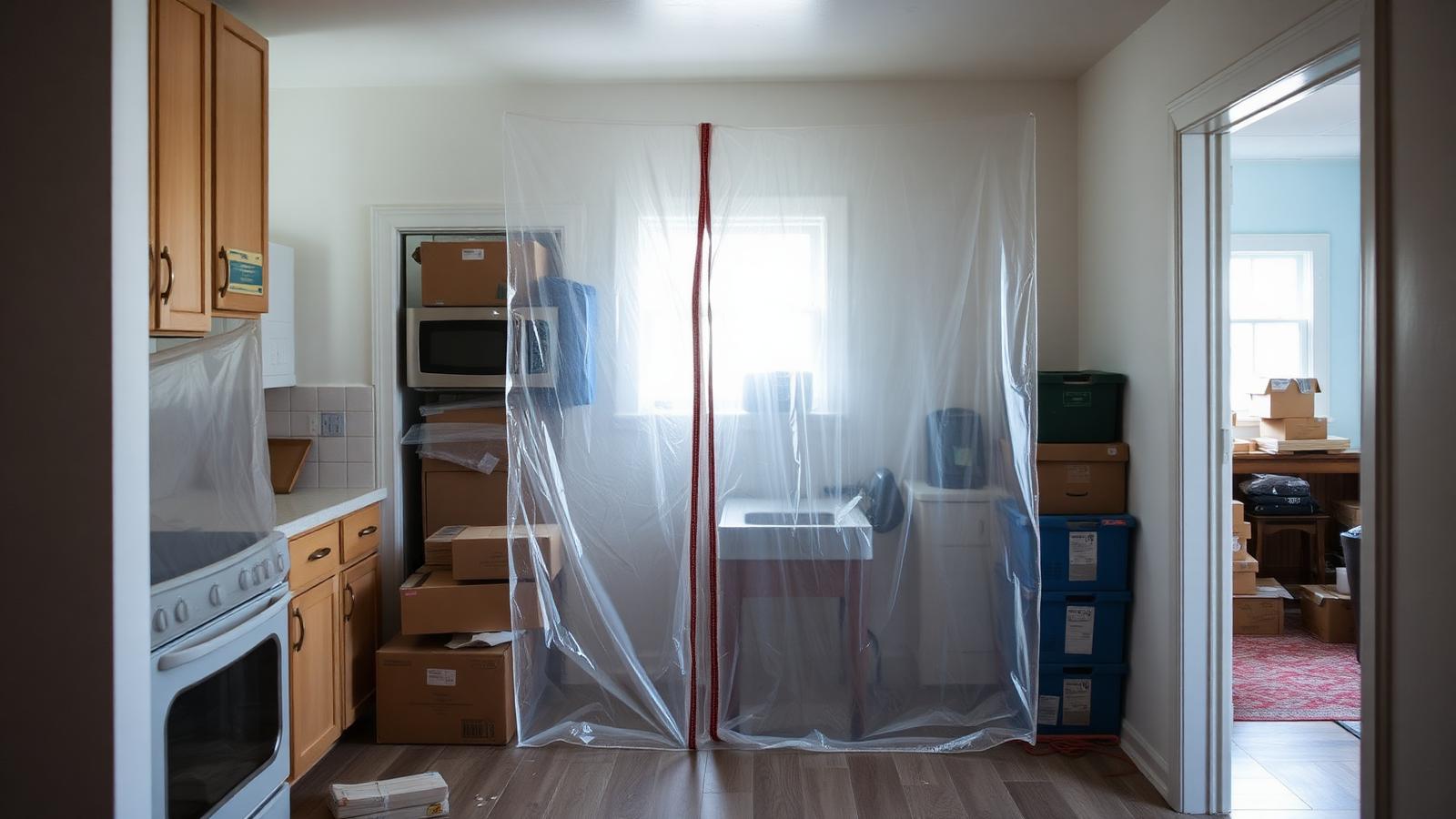
In short, Whether homeowners can remain in a house during renovation depends on scope, dust and hazardous material control, availability of a working kitchen and bathroom, heating and water shutdowns, and safety. Phasing a project allows occupancy but usually extends the schedule and cost.
This question comes up on nearly every renovation, and the honest answer changes with the scope. Some projects are perfectly livable. Others are not, and pretending otherwise costs more than the accommodation would have.
Start with three practical questions
- Will you have a working kitchen and a working bathroom every day, or only most days?
- Will heat, hot water, and power stay on, or are there planned shutdowns?
- Does the work involve hazardous material abatement or structural work that puts the house temporarily out of service?
If the answer to any of these is unfavourable, the decision is made for you.
What staying actually looks like
On a project where staying is realistic, the site gets divided. The work zone is sealed with containment, entry runs through a protected route, and the crew cleans at the end of each day. Your living area shrinks to the untouched part of the house.
It is workable. It is also noisy from roughly seven in the morning, dusty at the edges, and short on privacy. Families with small children, people working from home on calls, and anyone with respiratory sensitivity find it harder than they expected.
Phasing: the middle path
Splitting a renovation into phases lets you stay in one part while the other is worked on. We did exactly this on a whole-home renovation at Rosemary Heights, running the project in two phases so the owners could remain in place.
The tradeoff is real: phasing means two mobilizations, two rounds of protection and cleanup, and a longer total schedule. It usually costs more overall than doing the work in one pass. For owners who cannot move out, that is often a fair trade.
The cost comparison people forget
When comparing staying against renting, count all of it.
- Rent, deposits, and moving costs both directions.
- Storage for furniture and belongings.
- Against that: the schedule extension from phasing, the extra protection and cleaning, and any temporary kitchen or bathroom.
- The part that is hard to price: the effect on your family of living on a job site for several months.
What we recommend
Small and medium single-area renovations, a kitchen, a bathroom, a basement, generally work with the family in place. Whole-home renovations, second storey additions, and house lifts generally do not.
The middle cases are worth talking through in detail, because the right answer depends on your household more than on the drawings.
If you are weighing this for your own project, book a free consultation and we will walk through the scope and give you a straight recommendation.
Frequently asked
Is it cheaper to stay in the house?
Not always. Staying avoids rent, but phasing the work, building temporary kitchens or bathrooms, and protecting occupied areas add cost and time. On larger projects the savings often disappear.
When is staying not an option?
Hazardous material abatement, whole-house heating or water shutdowns, structural work such as a lift or second storey, and any period where the only kitchen and bathroom are out of service.
How is dust controlled if we stay?
Sealed containment at work-zone boundaries, negative air where appropriate, protected pathways, and daily cleanup. It works well, but no containment makes an active job site feel like a normal home.
Written by

Founder & President
Mark Van Ek is the founder and president of Venture Pacific, bringing more than 40 years of Metro Vancouver and the Fraser Valley construction management experience and multiple Georgie and HAVAN awards to every custom home, renovation, and multiplex project.
Full profile