
If you are planning a major renovation, the best time to address home energy upgrades in Vancouver is before the walls close up. Furthermore, many of these upgrades qualify for rebates through BC Hydro and FortisBC, which significantly improve your return on investment. In this post, we rank the five home energy upgrades Vancouver homeowners get the most value from, and explain why sequencing them correctly during a major renovation makes all the difference. Beyond monthly savings, energy efficiency upgrades also increase your home’s resale value, improve comfort year-round, and in many cases are required under BC’s BC Energy Step Code. As a result, these are not optional extras for Vancouver homeowners. They are smart investments with measurable outcomes.
1. Insulation: The Highest ROI Home Energy Upgrade in Vancouver
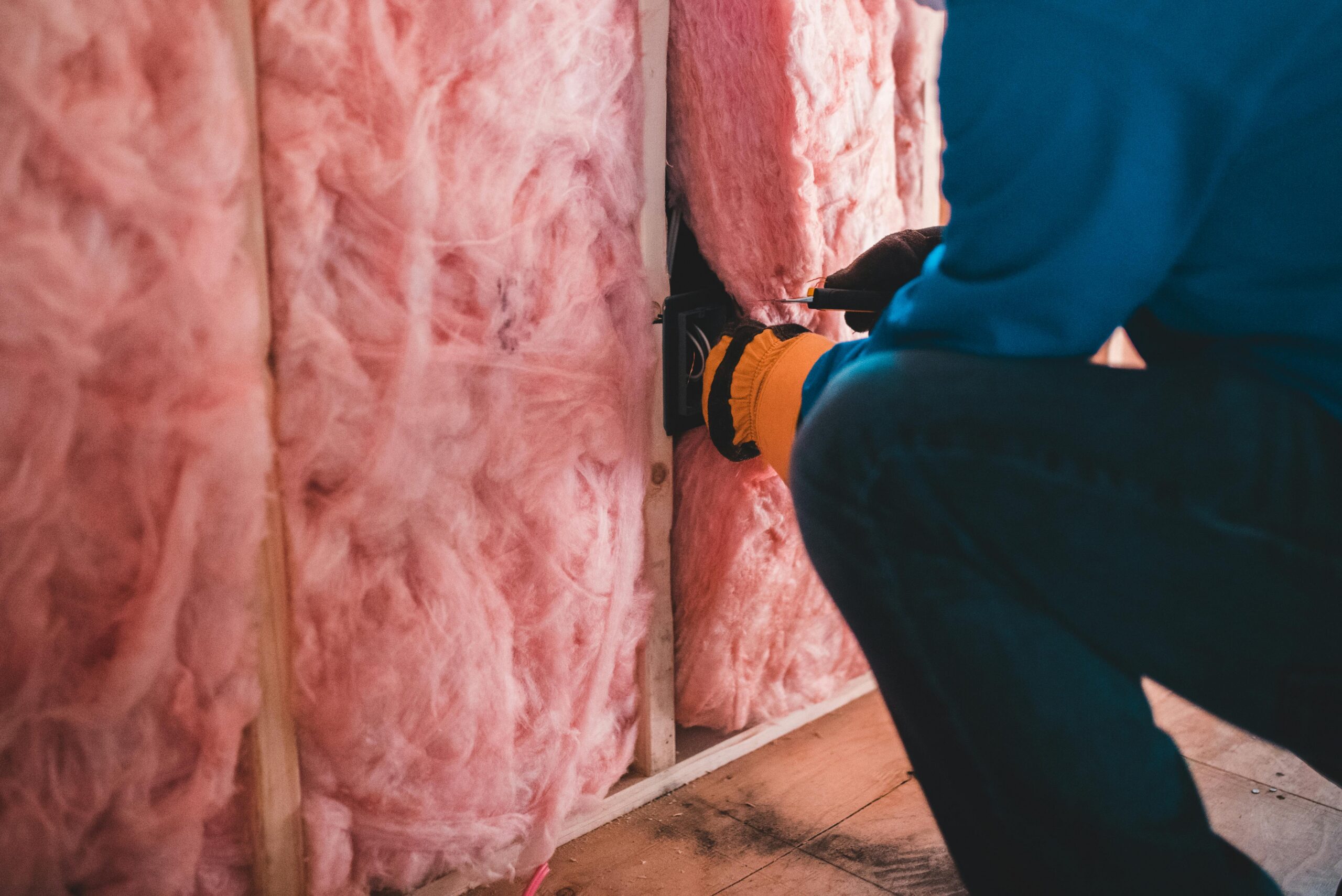
Insulation consistently delivers the strongest return of any home energy upgrade. In Vancouver’s climate, a well-insulated home stays warmer in winter and cooler in summer with far less mechanical support. That means lower heating and cooling bills every month, for the life of the home. During a renovation, insulating is significantly cheaper than doing it as a standalone project. Because the walls and ceilings are already open, labour costs are lower and disruption is minimal. In addition, BC Hydro offers rebates for qualifying insulation upgrades, which reduces your upfront cost further. Focus on the attic first, followed by exterior walls and basement rim joists. These areas account for the majority of heat loss in most older Vancouver homes.
2. Air Sealing: Small Work, Big Savings
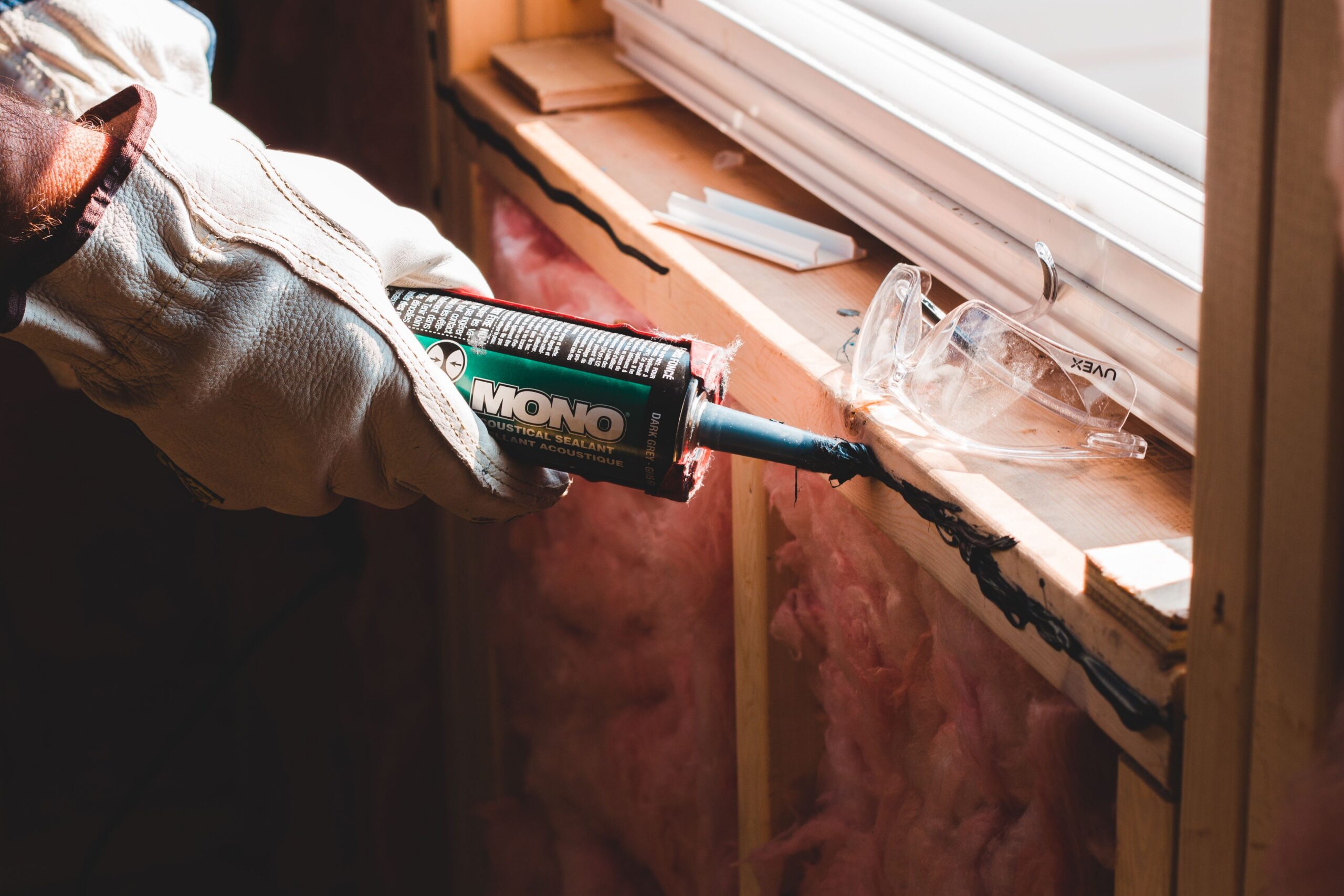
Air leaks are responsible for a significant portion of energy waste in Metro Vancouver homes. They allow cold air in during winter and push conditioned air out year-round, forcing your heating and cooling systems to work harder than needed. However, air sealing is one of the most cost-effective upgrades you can make. Caulking around windows and doors, sealing gaps around plumbing and electrical penetrations, and addressing ductwork leaks can cut energy costs by hundreds of dollars annually. Moreover, air sealing works best when done alongside insulation, so combining both upgrades during a renovation is the most efficient approach. We cover this as part of our pre-construction planning process for clients pursuing high-performance builds.
3. High-Efficiency Heating and Cooling
Upgrading your HVAC system during a renovation is more cost-effective than doing it later, particularly if mechanical systems are being relocated or upgraded as part of the scope. A modern heat pump, for example, can deliver up to three times more heat energy than the electricity it consumes, making it far more efficient than a gas furnace in most conditions. For Vancouver homeowners, heat pumps are especially well-suited to the climate. FortisBC offers rebates on qualifying heat pump installations, and federal tax credits are also available in some cases. When selecting a system, look for ENERGY STAR certification and a high SEER rating. These benchmarks indicate real-world performance, not just lab results.
4. Energy-Efficient Windows and Doors
Windows and doors are among the most significant sources of heat transfer in older Vancouver homes. Upgrading to double or triple-pane, low-emissivity glazing reduces heat loss in winter and heat gain in summer. As a result, your home stays more comfortable with less energy input throughout the year. Beyond energy performance, new windows also reduce outside noise, which matters in urban and suburban Vancouver neighbourhoods. The upfront cost is higher than some other upgrades. However, the combination of energy savings, comfort improvement, and resale value makes windows one of the most justifiable investments in a full renovation. For guidance on timing and sequencing window replacements within a larger project, our post on what homeowners wish they knew before renovating covers this in more detail.
5. LED Lighting Throughout
Upgrading to LED lighting is the simplest and most immediate home energy upgrade. LED bulbs use up to 75% less energy than incandescent bulbs and last up to 25 times longer. Although the upfront cost is slightly higher, the savings on your electricity bill add up quickly. During a renovation, this is also the right time to reconsider your lighting layout entirely. In addition to switching bulbs, consider adding dimmer switches, motion sensors, and task lighting where it matters most. These changes improve how a home functions day-to-day, not just how efficiently it runs. 
Getting the Sequence Right Matters as Much as the Upgrades Themselves
The biggest mistake homeowners make with home energy upgrades in Vancouver is treating them as afterthoughts. When upgrades are planned late in a renovation, they often cost more, deliver less, or require rework to integrate properly with the rest of the project. At Venture Pacific, we incorporate energy performance planning into the earliest stages of every major renovation. That means upgrades are sequenced correctly, rebate opportunities are captured, and the finished home performs as designed from day one. If you are planning a renovation and want to understand which energy upgrades make the most sense for your specific home, we would be glad to talk through the options. Book a Free Consultation