
Whole-Home Renovation Timeline: What Each Phase Actually Takes
A full renovation has a rhythm, and knowing it makes the whole thing easier to live with. Here is what happens in each phase, how long it tends to take, and what your decisions are holding up.
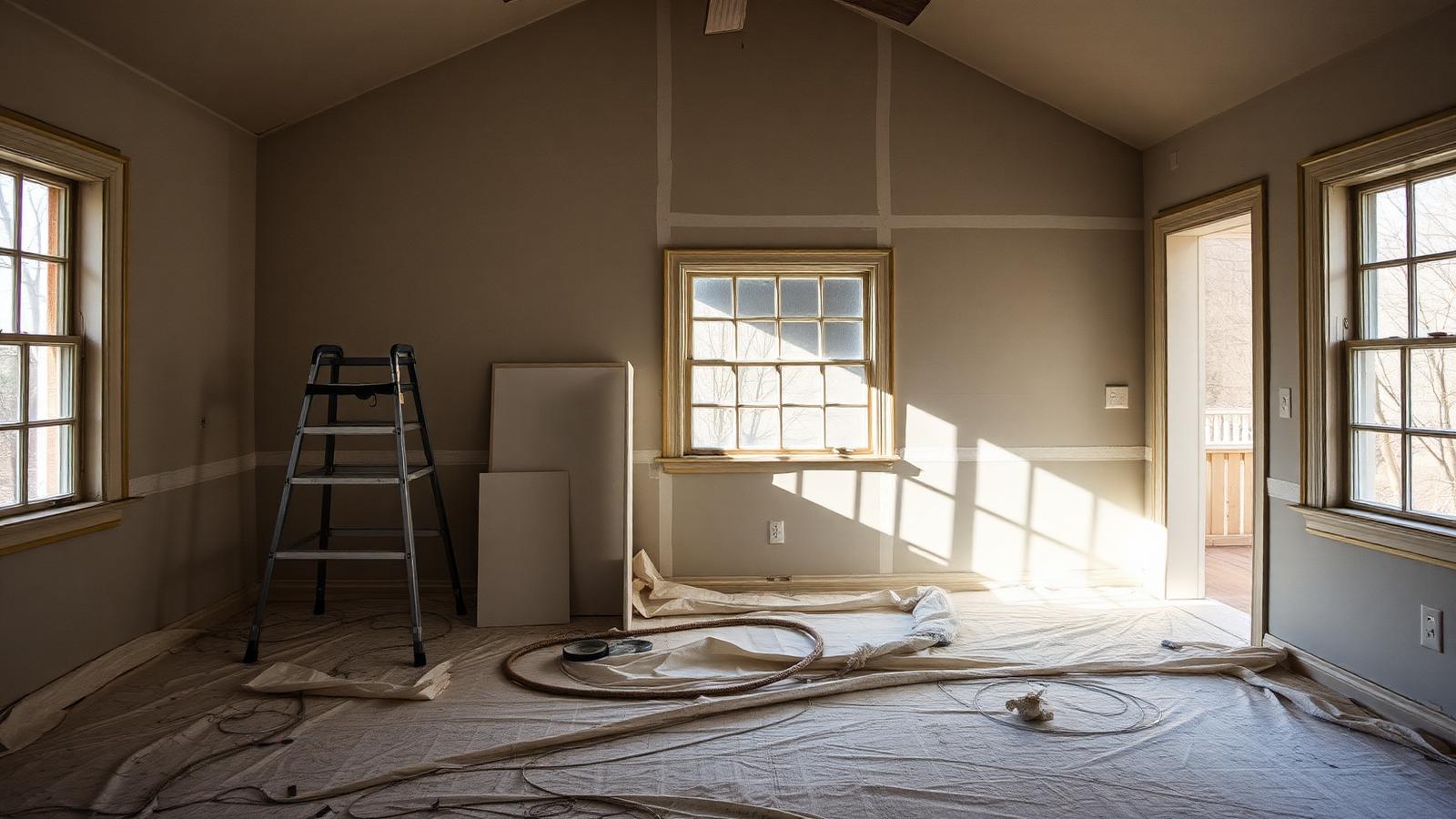
In short, A whole-home renovation runs through design, permitting, demolition, structural and mechanical rough-in, inspections, insulation and drywall, finishes, and completion. Each phase has decision deadlines, and homeowner selections are the most common schedule constraint.
Renovations feel chaotic from the inside. From the builder's side they are highly ordered, and most of the stress homeowners feel comes from not knowing which phase they are in or what is coming next.
Here is the sequence, roughly as it plays out on a full interior renovation.
Design and pre-construction
Measured drawings of the existing house, the new layout, structural review where walls are coming out, and a budget that gets refined as the drawings develop. This is where scope should be settled. Every decision deferred here reappears later at a higher price.
Permitting
Interior renovations that move plumbing, alter structure, or change use need a permit. The review is faster than a new build in most municipalities, but it is not instant, and starting demolition without it is a false economy.
Demolition and discovery
Fast, loud, and the phase where the project's real condition becomes visible. Knob and tube wiring, failed plumbing, rot around old windows, and framing that was modified by a previous owner all show up here.
A well run project expects this. We schedule a review right after demolition to price anything found and adjust before the trades arrive.
Structural and rough-in
Beams go in where walls came out, then plumbing, electrical, heating, and ventilation are roughed through the open framing, in that order. Inspections happen at the end of this phase, and nothing can be covered until they pass.
This is the deadline for your selections. The location of a shower valve, a pot filler, or a wall oven is decided now, in the framing.
Insulation, drywall, and paint
The house stops looking like a construction site and starts looking like rooms again. Drywall taping and priming take longer than people expect because each coat needs to dry.
Finishes
Cabinets, millwork, tile, flooring, countertops after templating, plumbing and lighting fixtures, hardware, and final paint. Many trades, one space, tight sequence. This phase runs on coordination more than on labour hours.
Completion
Final inspections, a deficiency walkthrough, the punch list, cleaning, and handover with warranty and maintenance information. Leaving room in the schedule for the punch list is what separates a clean finish from a project that drags for two extra months.
The two things that keep it on schedule
Decisions made on time, and a contract that handles discovery sensibly. We covered the second one in our comparison of fixed price contracts and how cost plus works when it is run transparently.
If you are planning a full renovation and want a realistic phase-by-phase schedule for your house, book a free consultation.
Frequently asked
How long does a whole-home renovation take?
For a full interior renovation of a family home, construction commonly runs several months to close to a year depending on scope, with design and permitting ahead of that. Structural changes and additions extend both stages.
What is the longest phase?
Finishes. Rough-in work moves quickly because it is done by a handful of trades in sequence. Finishing involves many trades in the same space, in a specific order, with less tolerance for error.
When do I need to have my selections finalized?
Earlier than most homeowners expect. Tile, plumbing fixtures, cabinets, and appliances influence rough-in locations, so they should be settled before the walls close.
Written by

Founder & President
Mark Van Ek is the founder and president of Venture Pacific, bringing more than 40 years of Metro Vancouver and the Fraser Valley construction management experience and multiple Georgie and HAVAN awards to every custom home, renovation, and multiplex project.
Full profile