
Sell, Develop, or Hold: Which Makes Sense for Your Vancouver Lot?
Metro Vancouver and the Fraser Valley homeowners sitting on a developable lot have three real options right now: sell, develop with a partner, or hold. Each one has a different payoff, a different timeline, and a different risk profile. Here is how to think through all three honestly.
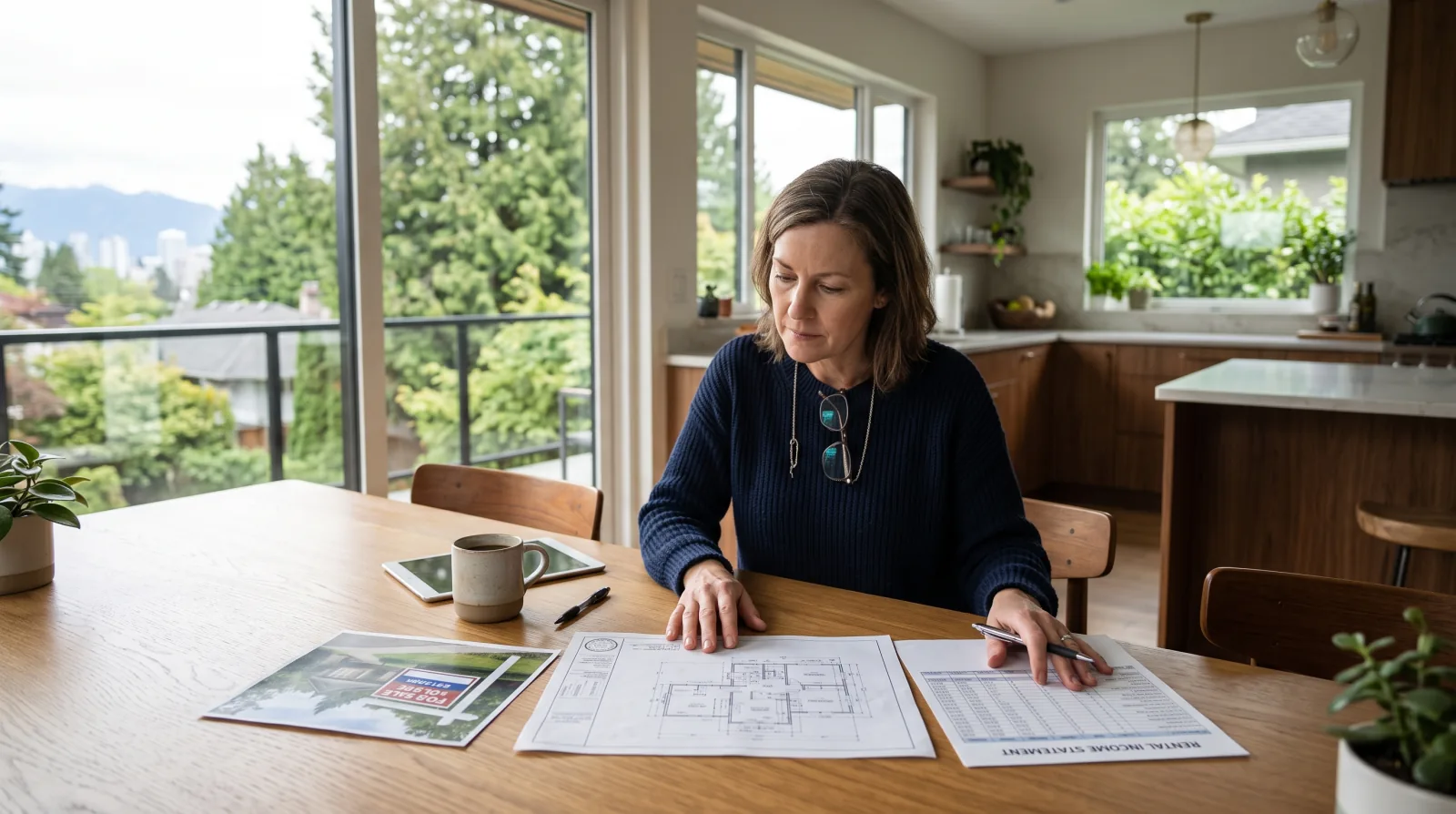
In short, This guide walks Metro Vancouver and the Fraser Valley homeowners through the three real options for a developable lot: selling outright for a certain but capped return, developing through a GP/LP partnership where the developer carries construction risk and the homeowner shares in the developed value, or holding while waiting for better circumstances or a rezoning. A feasibility review is the tool that closes the decision by putting real numbers against each path.
If you own a lot in Metro Vancouver and the Fraser Valley right now, you have three real options. You can sell it. You can develop it with a partner who carries the construction work. Or you can hold it and wait. These are not equally good options for every situation, but none of them is obviously wrong without looking at the specifics of your lot, your finances, and what you actually want out of the decision.
This post lays out what each path actually involves, the timeline, who does the work, where the upside comes from, and who each option fits best. The goal is to give you a clear comparison before you talk to anyone with an interest in steering you one way or another.
The three paths at a glance
- Sell: Timeline to payoff 3 to 6 months. You do no work; the buyer takes on everything. Upside is capped at today's land value. Certainty is high. Best fit: you need liquidity, you do not want any ongoing involvement, or the numbers for development do not make sense.
- Develop with a partner: Timeline to payoff 18 to 28 months typically. The developer handles design, permitting, financing, and construction. You contribute the land. Upside is a share of the developed value, which can significantly exceed the land-only sale price. Certainty is lower than selling, and the timeline is longer. Best fit: your lot qualifies for meaningful density, you can afford to wait, and you want more than the land market will pay you today.
- Hold: Timeline open-ended. You carry the property costs. No development work starts. Upside depends on future market movement or a change in your circumstances. Best fit: a rezoning is pending that would unlock more density, family plans have not settled, or you genuinely believe the market will move before you are ready to decide.
Selling: the fastest and cleanest path
Selling a developable lot in Metro Vancouver and the Fraser Valley is not complicated. You list it, you find a buyer who has assessed the development potential, and you receive the market price for the land as it sits today. The transaction typically takes three to six months from listing to closing.
The advantage is certainty. You know what you are getting before you sign. You do not need to understand zoning, permitting timelines, or construction costs. Once it is done, it is done.
The limitation is that you are selling land value, not developed value. A lot that sells for $1.8 million as bare land might yield $3.2 million in revenue once a fourplex is finished on it. The buyer, usually a developer, captures that gap. That is not a secret or a scam; it is the normal structure of a land sale. But it means the seller is trading future upside for certainty and speed. Whether that trade is worth it depends entirely on your situation.
Selling makes clear sense if you need the capital now, if you have no interest in any involvement with a development project, or if a proper feasibility review shows the gap between land value and developed value is not large enough to justify the additional time and complexity.
Developing with a partner: what the GP/LP structure means
The partnership structure used in co-development is straightforward in concept. You are the limited partner. You contribute the land. The developer is the general partner. They contribute the capital, expertise, and operational effort needed to take the project from design through to a finished building. The developer carries the construction risk, if costs overrun or the project takes longer than planned, that exposure sits with them, not with you.
At the end of the project, the proceeds, whether from selling strata units or from the appraised value of a rental building, are split according to what each party contributed. Your land is your equity stake. The developer's contribution is their stake.
The timeline is longer than a sale. From the point of signing a partnership agreement, a typical Metro Vancouver and the Fraser Valley multiplex takes 6 to 10 months to get through design and permitting, then another 12 to 18 months to build. You should plan on 18 to 28 months before the project resolves into cash or a finished asset. That timeline is real, and if you need liquidity sooner, it is a genuine constraint that should push you toward a sale instead.
The upside is a share of the developed value rather than the land-only price. How much that difference is worth depends on the specific lot, its size, the number of units the zoning allows, servicing adequacy, and the current market for completed strata units or rental properties in that neighbourhood. A feasibility review is what puts actual numbers on this.
One thing worth being direct about: development partnerships are not passive for the landowner. You are entering a legal agreement, your land is tied up for the duration, and you will need to make decisions along the way. Working with a developer who is transparent about the numbers and the process matters. Ask to see the pro forma before you commit to anything.
Holding: when waiting is the right call
Holding a lot is not a non-decision, it is a choice to continue carrying the asset while waiting for something to change. That is sometimes the correct call, but it has real costs that are easy to undercount.
Property taxes on a Metro Vancouver and the Fraser Valley lot do not pause because you are undecided. If you carry a mortgage on the property, the interest runs every month. The equity tied up in the lot is not growing unless the land market is moving, and it is not always moving. These are opportunity costs: money that could be working elsewhere, or development upside that could have been captured sooner.
Holding makes sense in a few specific situations. If a rezoning is in progress that would meaningfully increase the density allowed on your lot, waiting for that to resolve before deciding gives you better information and potentially more value. If your plans for the property are still in motion, you might move back, a family member might need the home, circumstances might shift, waiting until those questions settle is reasonable. And if the lot does not quite qualify for meaningful density under current zoning, but upcoming policy changes might change that, a short hold can be worth the carrying cost.
The mistake is treating holding as free. Every month of carry has a dollar cost and an opportunity cost. Before deciding to hold, it is worth estimating what those costs actually are and what outcome you are waiting for.
What makes a lot worth developing rather than selling
Not every lot makes development the better option. The gap between what a lot will sell for as land and what a homeowner can capture through a development partnership has to be wide enough to compensate for the extra time, the complexity, and the loss of certainty.
The lots where development tends to make sense share a few characteristics. The lot is large enough to physically accommodate the unit count the zoning allows, a 33-foot-wide lot and a 50-foot-wide lot in the same zone can have very different feasibility outcomes. The site's servicing, water, sewer, drainage, gas, and electrical, is adequate to support a multi-unit building without major upgrades that eat into the project budget. And the gap between the land-only value and the landowner's share of the developed value is wide enough that the longer timeline is worth it.
Lots where selling outright is the cleaner answer are usually ones where the development math is tighter: smaller lot size limits the unit count, servicing upgrades would be costly, or the land-sale price is already close to what a partnership would net after the construction period. A proper feasibility review will show you both numbers honestly.
The right starting point: numbers for your specific lot
The only way to answer this question for your situation is to put real numbers against your actual lot. A general guide can frame the decision, but it cannot tell you what your land will sell for, how many units your lot will support, what development would cost on your site, or what your share of the developed value would be under a partnership structure.
We offer a free feasibility review for that reason. We will look at your lot's zoning, dimensions, and servicing, run the development numbers, and tell you honestly what the three paths look like for your property, including if the numbers do not favour development. The review does not obligate you to anything. It just gives you the information the decision actually requires.
Frequently asked
Should I sell my Vancouver lot or develop it with a partner?
It depends on your specific lot and financial situation. Selling gives you a certain outcome at today's land value, typically faster and with no construction risk. Developing through a GP/LP partnership means contributing the land as your equity and sharing in the developed value of a finished building, which is usually higher than raw land value. The tradeoff is an 18 to 24 month timeline and more complexity. A feasibility review that models both paths with real numbers for your specific lot is the best way to make this decision.
What is the GP/LP partnership model for Metro Vancouver and the Fraser Valley landowners?
In a GP/LP (General Partner/Limited Partner) structure, the landowner is the Limited Partner, contributing the land as equity, while the developer is the General Partner, providing capital, managing construction, and carrying operational risk. At completion, both parties share the proceeds according to the terms agreed at the start. The LP has approval rights on key decisions but does not manage day-to-day construction. This structure lets a homeowner participate in development upside without fronting construction capital.
What are the real costs of holding a Metro Vancouver and the Fraser Valley lot without developing it?
Holding has costs that compound over time: property taxes (typically $4,000 to $12,000 per year depending on assessed value), mortgage carry if the property isn't free and clear, and the opportunity cost of equity tied up in land that isn't generating income. In Metro Vancouver and the Fraser Valley, land values have historically risen over time, but the equity locked in a vacant lot earns nothing while the market moves. A holding decision should be made actively, not by default.
What does a Metro Vancouver and the Fraser Valley lot need to support multiplex development?
Minimum lot size under SSMUH varies by city, most require at least 280 to 300 m² for the base allowance, with transit-area bonuses available on larger lots. The lot also needs to pass a financial feasibility test: the developed value (strata sale proceeds or rental income capitalized) needs to exceed total development costs (construction, soft costs, city fees, financing) by enough margin to justify the risk and time. Not every lot that's zoning-eligible is financially viable, the feasibility review determines which it is.
When does it make sense to hold a Metro Vancouver and the Fraser Valley lot rather than sell or develop?
Holding makes more sense when a rezoning that would increase allowable density is pending nearby, when family plans are not yet resolved, or when development costs are temporarily high relative to the market (making the margin too thin to justify proceeding). Holding is a deliberate strategy with a clear trigger for re-evaluation, not an indefinite delay. If the reason for holding is uncertainty rather than a specific anticipated change, that uncertainty is often better resolved with a feasibility review.
Wondering what your lot could become? Book a free consultation to find out how many units you could build on your property, whether it's a feasible project, and how our GP/LP partnership structure works.
Written by
Real Estate Developer
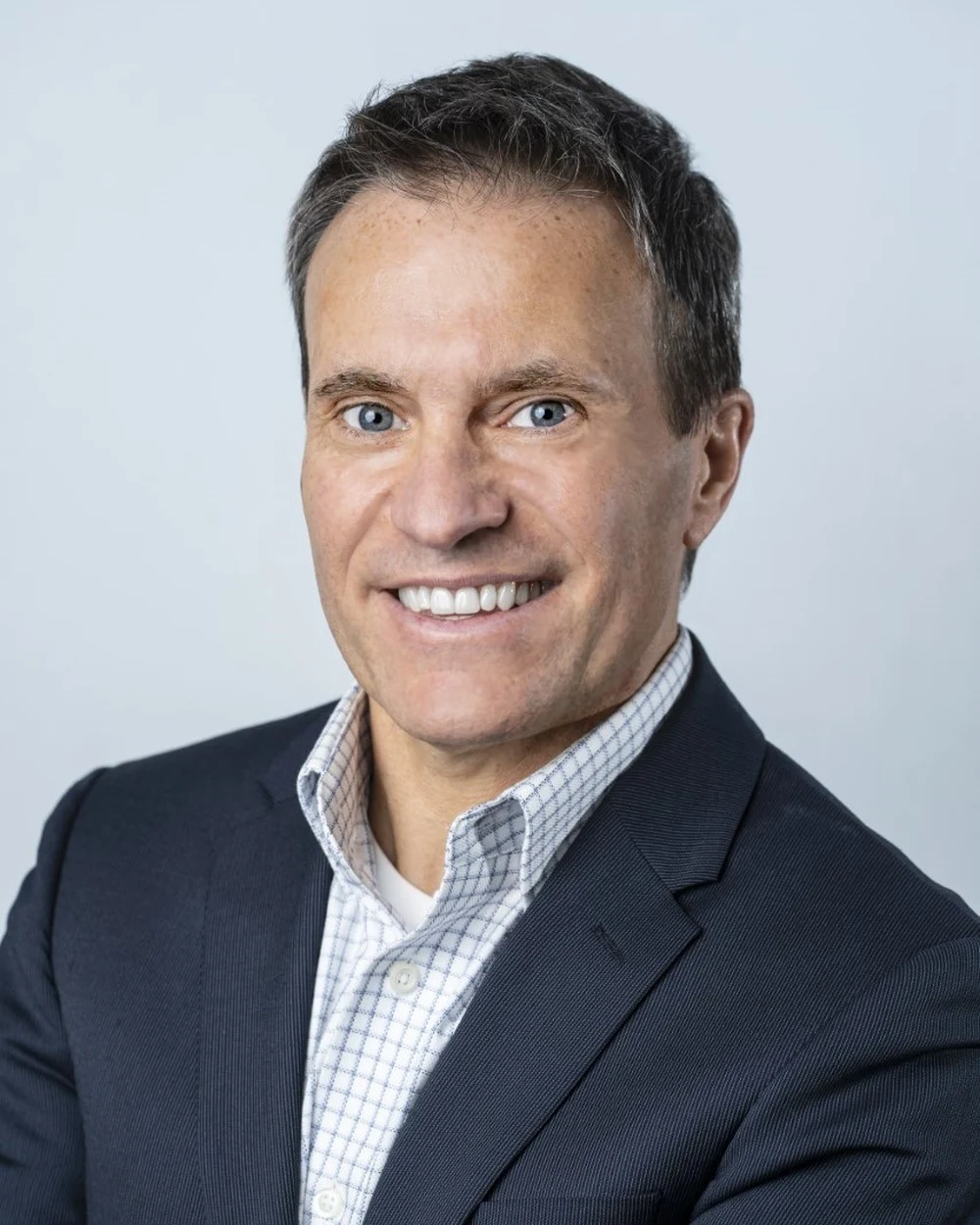
Trent Praski leads investment and development at Venture Pacific, sourcing missing-middle opportunities across Metro Vancouver and the Fraser Valley and structuring transparent homeowner and investor partnerships.
Full profile