
How the GP/LP partnership model works for landowners
If you own a Metro Vancouver and the Fraser Valley lot but don't want to become a developer overnight, the general-partner / limited-partner model offers another path. Here's how a GP/LP partnership lets a landowner contribute land, sit in the capital stack, and share in the result without running the build.

In short, In a general-partner / limited-partner (GP/LP) development structure, the landowner contributes their lot as equity and typically becomes a limited partner, while the developer acts as general partner running the project and carrying operational and construction risk. Under BC's Partnership Act, a limited partner's liability is generally capped at the amount contributed. Risk and proceeds are shared according to the partnership agreement, letting a Metro Vancouver and the Fraser Valley landowner participate in a multiplex without managing the build or selling the land outright.
There's a particular conversation we have over and over. A homeowner has read about the new housing rules, run a quick calculation, and realized the lot they've lived on for decades could hold three, four, or even six homes. Then comes the pause. 'But I'm not a developer. I don't know how to permit a building, hire trades, or carry a construction loan, and honestly, I don't want to learn on my own house.' That hesitation is completely reasonable, and it's exactly the gap the general-partner / limited-partner model was built to fill.
For a landowner, the choice has historically looked binary: sell the lot for a cash price and walk away, or take on the entire risk and workload of developing it yourself. The GP/LP structure offers a third option that sits between the two, and for a lot of people, it's the one that actually fits their situation.
What GP/LP actually means
The terms are simpler than they sound. A limited partnership has two kinds of participants. The general partner (the GP) runs the business of the partnership, in this case, the development project, and carries the active responsibility for managing it. The limited partners (the LPs) contribute to the project and share in its outcome, but they don't run the day-to-day operation.
Applied to a multiplex, the developer takes the general-partner role and the landowner typically joins as a limited partner. The developer manages feasibility, design, permitting, financing, and construction. The landowner contributes the most valuable ingredient in any Metro Vancouver and the Fraser Valley project, the land, and shares in the result. The structure cleanly separates 'who does the work' from 'who participates in the reward.'
This isn't just a private arrangement two parties invent from scratch. BC's Partnership Act sets out what these roles mean in law: a general partner has the powers and the liabilities of a partner in an ordinary partnership, while a limited partner is generally not liable for the partnership's obligations beyond the amount they contribute or agree to contribute. That legal backbone is part of why the structure works the way it does, and it's worth understanding before you sign anything.
Contributing land as equity
The heart of the model, for a landowner, is the idea of contributing land as equity. Rather than selling the lot for a one-time price, you bring its value into the project as your stake. The land becomes your contribution toward the development, and in return you hold a share of the finished result rather than a cheque at closing.
This matters because land is usually the single largest piece of a development's value in markets like Vancouver and Burnaby. By contributing it as equity rather than cashing it out, the landowner stays in the project through to completion and participates in the value the development creates, not just the value the lot held as a single house. The terms of how that land is valued and credited are written into the partnership agreement at the start.
Selling the lot ends your involvement at the sale price. Contributing it as equity keeps you in the project through to the finished homes.
Where the land sits in the capital stack
Every project is funded by layers, and the order of those layers decides who gets repaid first if things go sideways. That order is what people mean by the capital stack. At the bottom sits equity, the land you contribute plus any cash equity in the deal. Above it sits the construction loan, the borrowed money that fills the gap between the equity and the full cost of building.
The order isn't a formality. Lenders get repaid before equity, which is exactly why they'll lend: their money carries less risk because it stands ahead of yours in line. Your land, contributed as equity, sits behind the loan. That's the trade for the upside, equity earns more when the project does well precisely because it absorbs the first losses if it doesn't. On a Vancouver or Coquitlam multiplex, where the lot is often the biggest single number in the whole project, a landowner's equity is usually a large share of that bottom layer. Knowing where you sit, and who ranks ahead of you, is one of the first things we walk a landowner through.
Who carries the risk
Every development carries risk, cost, timeline, market, and approval risk among them. One of the defining features of the GP/LP structure is how it allocates that risk between the parties, and that allocation is negotiated openly before the project begins rather than left vague.
Generally, the general partner takes on the active management responsibility and the obligations that come with running the project, including the construction risk that comes with hiring trades, holding the schedule, and standing behind the build. Limited partners' exposure is defined by their participation. Under the Partnership Act, a limited partner who stays out of day-to-day management generally keeps their liability capped at what they contributed; a limited partner who starts running the business can lose that protection. That's a real line, and it's one reason the landowner stays in the limited-partner seat and lets the general partner manage. The precise sharing of risk, and of the proceeds, is set out in the partnership agreement. There's no universal formula, and we won't invent one; it reflects the value of the land contributed, the capital and expertise the developer brings, and what both sides agree is fair.
How the money moves: draws, holdback, and title
Once a project is financed and under construction, the money doesn't move in one lump. A construction loan is released in stages, draws, as the build hits verified milestones like foundation, framing, and lock-up. Each draw is typically confirmed before it's released, which keeps the financing tied to real progress rather than promises. CMHC publishes information on how project funding and construction financing work for housing developers, and the pattern is consistent: money follows verified work.
Two BC-specific protections sit inside that machinery, and they matter to a landowner even though the general partner runs them. The first is the builders lien holdback. Under BC's Builders Lien Act, the party primarily liable on a construction contract must hold back 10% of the value of the work as it's provided. That holdback is what protects a project, and its title, against unpaid trades registering liens against the land. The second is what gets registered against title itself. A construction lender normally registers its interest against the property under BC's Land Title Act, and the partnership documents record how your equity is recognized. Because your lot is usually the biggest asset in the deal, understanding what's registered against its title, and in what order of priority, is not a detail to skip.
- Draw schedule, construction money is released in milestone stages as work is verified, not handed over up front.
- Builders lien holdback, 10% is retained under the BC Builders Lien Act to protect against unpaid trades clouding title.
- Title and security, the lender registers its interest against the property under the Land Title Act; the partnership agreement records how your equity is recognized.
Why the alignment is the point
The feature we value most in this model is the alignment it creates. Because the developer's return depends on the project doing well, the developer is motivated by the same outcome as the landowner: a well-built, well-permitted, well-received development. The general partner doesn't get paid simply for showing up; the partnership succeeds together or it doesn't.
Compare that to arrangements where a builder is paid a fixed fee regardless of how the finished project performs. In a fee-for-service deal, the incentives can drift apart once the cheque clears. In a genuine partnership, both sides are rowing in the same direction from feasibility to the final sale, which tends to produce better decisions along the way.
How the partnership ends, and where the protections aren't
A partnership isn't just how a project starts; it's how it ends. The exit is planned at the beginning, sell the finished homes, hold and rent them, or some mix, because that decision drives when a landowner actually sees proceeds. On a sale exit, money flows after the construction loan and other obligations are cleared, then according to the agreement's distribution terms. On a hold-and-rent exit, the timeline and the way returns arrive look different. Neither is better in the abstract; they're different shapes, and you should know which one you're signing up for.
We'd be doing landowners a disservice if we pretended the structure removes every risk. It doesn't. A GP/LP partnership trades sole control for shared risk and shared reward, you give up some decision-making in exchange for not carrying the whole project yourself. And every protection we've described lives in the partnership agreement: how your land is valued, where it sits in the stack, who absorbs an overrun, what happens on a delay, and how you exit if you need to. A vague or one-sided agreement can undo the structural advantages. Read it closely, and have your own lawyer review it before you contribute the lot.
Is the model right for you?
The GP/LP structure tends to suit a specific kind of landowner: someone who owns a lot with real development potential, who wants to participate in the upside that development can create, but who doesn't want, or doesn't have the time, capital, or expertise, to run the project themselves. It also suits investors who want to participate in missing-middle housing across Vancouver, Burnaby, and the wider Metro Vancouver and the Fraser Valley region without managing builds directly.
It's less suited to someone who simply wants a clean cash exit today and no further involvement; for that person, an outright sale is the more straightforward path. The honest answer depends on your goals, your timeline, and the specifics of your lot. That's a conversation worth having before deciding either way.
The first step is understanding your land's value
Any partnership conversation should start from facts: what your lot can actually hold under the zoning, what the project would realistically involve, and what your land contributes to it. Without those numbers, terms are just guesses. With them, you can evaluate a partnership on its merits.
If you're a Metro Vancouver and the Fraser Valley landowner weighing whether to sell, build, or partner, our Feasibility & Equity Review is the right starting point. It establishes what your lot can support and what its development value looks like, so any GP/LP discussion that follows rests on real figures and clear terms rather than assumptions. From there, you can decide which path genuinely fits, with the information to negotiate confidently. Nothing here is legal or financial advice or an offer to enter a partnership; it's an explanation of how the structure is meant to work.
Frequently asked
What does it mean to contribute my land as equity?
Instead of selling your lot for cash, you bring its value into the project as your stake in the partnership. The land becomes your contribution toward the development, and in return you hold a share of the finished result rather than a one-time sale price. How that land is valued and credited is written into the partnership agreement before anything starts.
Is the landowner responsible for running the construction in a GP/LP partnership?
No. In a GP/LP structure the developer acts as the general partner and runs the project, design, permitting, construction, and day-to-day decisions. As a landowner you typically join as a limited partner, which means you participate in the outcome without managing the build. That division of roles is the whole point of the structure.
How are the proceeds split between the landowner and the developer?
Proceeds and risk are shared according to the partnership agreement negotiated at the start. The specific split depends on each project, the value of the land contributed, the capital and work the developer brings, and the terms both sides agree to. There's no single fixed formula, and we won't quote one; it's set transparently before the project begins.
How much financial exposure does a limited partner face under BC's Partnership Act?
Under BC's Partnership Act, a limited partner is generally not liable for the partnership's obligations beyond the amount they contribute or agree to contribute, in a landowner's case, the lot brought in as equity. The catch in the Act is that a limited partner who starts taking part in managing the business can lose that protection. Your own lawyer should confirm how this applies to your specific agreement before you contribute the lot.
Where does contributed land sit in the capital stack on a Vancouver multiplex?
Land contributed as equity sits on the equity side of the capital stack, alongside any cash equity, beneath the construction loan in terms of who gets repaid first. In Vancouver and Burnaby the lot is usually the single largest piece of a project's value, so a landowner's equity is often substantial. The exact ranking of who is repaid in what order is set out in the partnership and lending documents.
How does my land get secured once I've contributed it to a Coquitlam project?
Title and security are handled through the land title system and the partnership documents. A construction lender typically registers its interest against title under BC's Land Title Act, and the partnership agreement records how and when your equity is recognized. Because your lot is usually the biggest asset in the deal, understanding exactly what gets registered against title, and in what order, is one of the first things to review with your lawyer.
What happens at the end, how do I actually get paid?
That depends on the exit the partnership agrees to at the start: selling the finished homes, holding and renting them, or a mix. Proceeds flow according to the agreement's distribution terms after the construction loan and other obligations are cleared. Knowing the planned exit and the payout order before you contribute your lot matters as much as the headline split.
Wondering what your lot could become? Book a free consultation to find out how many units you could build on your property, whether it's a feasible project, and how our GP/LP partnership structure works.
Sources
- Government of BC, Small-scale multi-unit housing
- City of Vancouver, Home & property development
- CMHC, Housing information
- BC Partnership Act (RSBC 1996), general and limited partners
- BC Builders Lien Act, 10% holdback
- BC Land Title Act, registration of charges against title
- CMHC, Project funding and mortgage financing
Written by
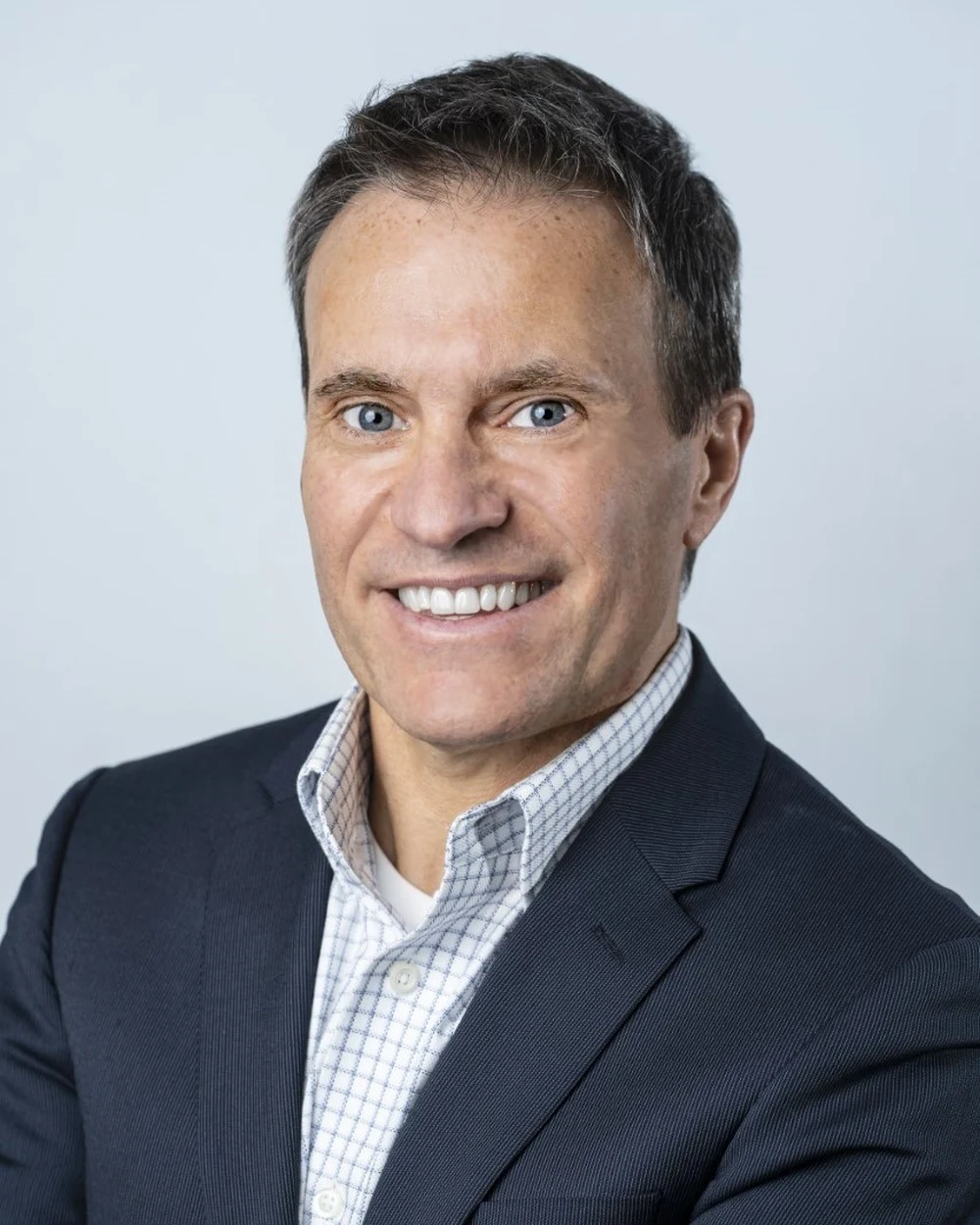
Real Estate Developer
Trent Praski leads investment and development at Venture Pacific, sourcing missing-middle opportunities across Metro Vancouver and the Fraser Valley and structuring transparent homeowner and investor partnerships.
Full profile