
Sharing the risk: how a development partnership protects homeowners
A homeowner who tries to develop their own lot carries every risk alone, capital, permitting, construction, and the market. A GP/LP partnership is built to spread that risk. Here is exactly how the protections work, where your equity sits, and where the protections stop.
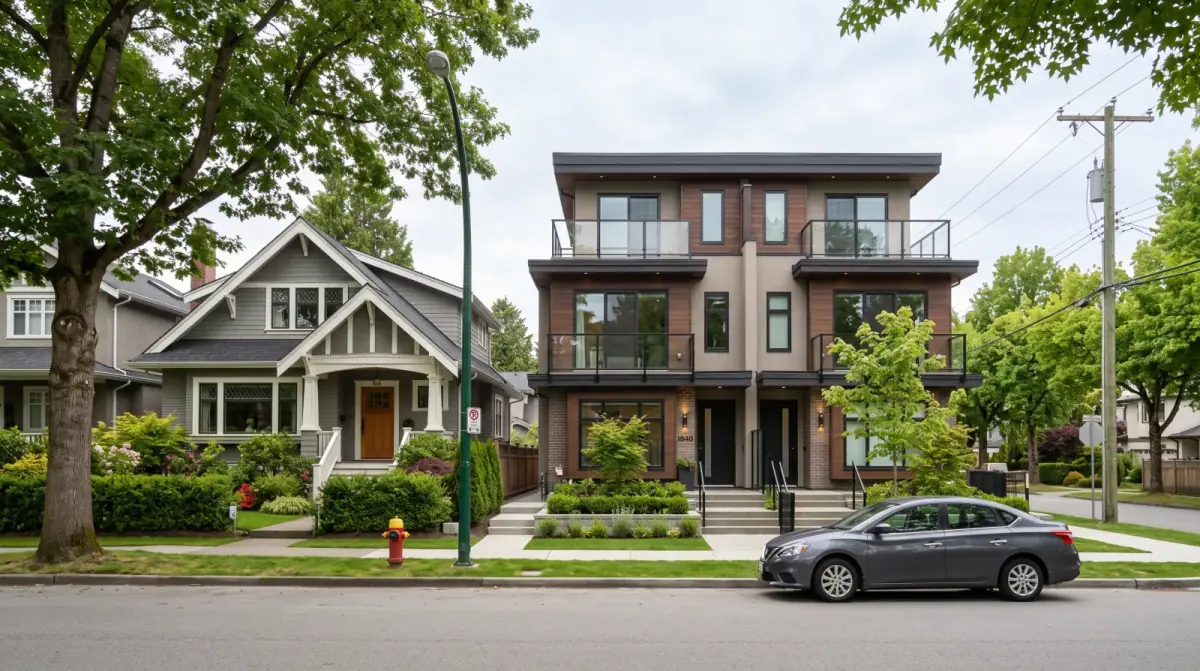
In short, Explains how a general-partner / limited-partner (GP/LP) development partnership protects a Metro Vancouver and the Fraser Valley homeowner who contributes their lot as equity, covering capital risk, permitting risk, construction risk, and market risk, plus where the land sits in the capital stack, how draws and the builders lien holdback work, and how title is secured. Under BC's Partnership Act a limited partner's liability is generally capped at their contribution. Honest about the protections a partnership does not provide, and stresses reading the partnership agreement.
We once sat across from a Coquitlam homeowner who had spent fourteen months trying to develop his own lot. He had architectural drawings, a stalled permit, two contractor quotes that didn't agree, and a lender who'd grown nervous. He wasn't unintelligent or unprepared. He had simply become a one-person development company, and he was carrying every risk that role involves with nobody to share it.
That conversation is the clearest argument we know for why partnerships exist. Developing a multiplex isn't one risk. It's four distinct risks stacked on top of each other, and a homeowner going it alone holds all four at once. A properly built partnership doesn't erase those risks, it distributes them. Here's how, risk by risk, and then where the land actually sits when the money moves.
First, the seat you take: limited partner
Before the four risks, it helps to know where a homeowner sits in the structure. Most multiplex partnerships are set up as a general-partner / limited-partner (GP/LP) arrangement. The developer is the general partner and runs the project. The homeowner contributes the lot as equity and becomes a limited partner.
That seat isn't just a label. Under BC's Partnership Act, a limited partner is generally not liable for the partnership's obligations beyond the amount they contribute or agree to contribute, the lot, in a homeowner's case. The general partner, by contrast, carries the powers and the liabilities of a full partner. There's a real line in the Act, though: a limited partner who starts taking part in managing the business can lose that protection and be treated as a general partner. That's precisely why a homeowner stays in the limited-partner seat and lets the developer run the build, and why your own lawyer should confirm how the Act applies to your specific agreement.
Capital risk: who funds the build, and on what terms
A multiplex needs money long before it produces any. Design, engineering, permits, and the construction itself all come due while the project earns nothing. A homeowner financing that alone is exposing their personal credit and often their existing home equity to a project with a long, uncertain payback.
In a GP/LP structure, the capital question is answered up front. The homeowner contributes the lot as equity and becomes a limited partner. The general partner arranges and typically carries the project financing. Money flows to construction through a draw schedule, milestone payments released as work is verified, usually tied to the lender's own inspections, rather than a lump sum handed over and hoped for. That structure protects everyone, because nobody is funding work that hasn't been done.
Where your land sits in the capital stack
It's worth being precise about where a homeowner's contribution actually ranks, because that ranking decides who gets paid, and who absorbs losses, first. A project is funded in layers. Equity goes in at the bottom: the land you contribute, plus any cash equity. Above it sits the construction loan. This ordered set of layers is the capital stack.
The order isn't a formality. Lenders get repaid before equity, which is why they'll lend at all, their money stands ahead of yours, so it carries less risk. Your land, contributed as equity, sits behind the loan. That's the trade for the upside: equity earns more when a project succeeds precisely because it takes the first losses if it doesn't. On a Vancouver or Coquitlam multiplex, where the lot is often the largest single number in the deal, a homeowner's equity is usually a big share of that bottom layer. Understanding that you sit behind the lender, and settling in writing exactly what gets repaid before you do, is not pessimism. It's the difference between an informed contribution and a hopeful one.
Permitting risk: the part that breaks most solo projects
This is where the most homeowner-led developments stall. BC's small-scale multi-unit housing rules opened up three to six units on most lots, but "permitted" and "permitted quickly" are different things. Every Metro Vancouver and the Fraser Valley city processes multiplex applications on its own timeline, with its own interpretation of setbacks, parking, tree bylaws, and servicing. A first-timer doesn't know which questions a Vancouver plan checker will ask versus a Burnaby one, and each round of revisions burns months.
A partnership puts that risk in the hands of people who file these applications regularly. The general partner manages the permitting process and absorbs the timeline uncertainty as part of running the project. The homeowner isn't the one refreshing the city portal at midnight wondering why approval is late.
Construction risk: budget, schedule, quality, and title
Construction is where money gets spent fastest and where surprises hide. Soft soils on a North Vancouver hillside lot, rock that wasn't in the geotechnical assumptions, a trade that walks off mid-project, lumber pricing that moves against you, any of these can blow a budget that looked tight on paper.
Several things in a well-structured project manage this risk. The partnership agreement should set a contingency reserve and name who absorbs overruns beyond it, so a budget surprise doesn't trigger a fight. And BC's regulatory framework adds protection on the construction side that applies no matter who's developing.
- The mandatory 2-5-10 home warranty in BC covers two years on labour and materials, five years on the building envelope, and ten years on structure, administered through licensed warranty providers.
- The BC builders lien framework requires a holdback of 10% of the value of the work as it's provided, which protects against unpaid trades registering liens that cloud title to your land.
- A construction lender registers its interest against the property under BC's Land Title Act, so what sits against your lot's title, and in what order of priority, is a matter of public record you can and should confirm.
- Construction must meet the BC Building Code and the applicable BC Energy Step Code level for the municipality, which sets a verified performance floor.
A solo homeowner gets the warranty, the holdback, and the code floor too, those apply to any project. What they don't get alone is someone who has managed dozens of these builds standing between them and the day-to-day decisions that keep a project on budget, on code, and clean on title. The holdback protects the land you contributed; someone still has to run the build so the protections are never tested in the first place.
Market risk: what the units are worth when they finish
A multiplex takes time to design, permit, and build. The market at completion may not be the market at the start. A homeowner who has bet everything on one lot has no cushion if conditions soften between groundbreaking and the day the units are ready.
A partnership doesn't make this risk disappear, no structure can promise what the market will do. What it does is spread the exposure across parties and, in a GP/LP arrangement, share both the downside and the upside according to the agreement. The homeowner isn't the only one with skin in the game, which aligns everyone toward delivering a project the market actually wants.
The exit: how and when you actually get paid
Risk is only half the story; the other half is how the partnership ends. The exit is decided at the start, because it drives when a homeowner sees proceeds. A sale exit means the finished homes are sold, the construction loan and other secured obligations are cleared, and then the remainder is distributed according to the agreement. A hold-and-rent exit keeps the homes and returns arrive over time instead of in one payout. A mix splits the difference.
Neither exit is better in the abstract, but they behave completely differently for the person who contributed the land, and the agreement should be explicit about which one applies and how distributions rank. A homeowner who understands the planned exit before contributing the lot is far harder to surprise than one who assumed a cheque would simply appear at the end.
Where the partnership does not protect you
We'd be doing homeowners a disservice if we pretended a partnership were a shield against all harm. It isn't. A partnership trades sole control for shared risk and shared reward, you give up some decision-making in exchange for not carrying everything yourself. And every protection we've described lives or dies in the partnership agreement.
That document decides how your equity is recognized, where it sits in the stack, how proceeds are split, who absorbs overruns, what happens if the project is delayed, and how you exit if you need to. A vague or one-sided agreement undoes every structural advantage we've just walked through. The BC Financial Services Authority regulates much of the real estate and lending activity around these deals, but no regulator reads your agreement for you.
A partnership doesn't make the risk go away. It stops one homeowner from carrying all of it alone, and the agreement is where that protection actually lives., Venture Pacific
Read the agreement before you contribute your lot, and have your own lawyer review it. That advice is worth more than any reassurance we could offer.
Nothing here is financial or legal advice, and it isn't an offer to enter a partnership. It's an explanation of how risk is meant to be shared. If you own a lot in Vancouver, Coquitlam, or anywhere across Metro Vancouver and the Fraser Valley and want to understand where your equity would sit in the capital stack and which risks you'd actually be carrying, that's what our Feasibility & Equity Review is for, we map the structure against your specific lot before anyone signs anything.
Frequently asked
What is a homeowner actually risking in a development partnership?
Your main contribution is your lot, brought in as equity. So your exposure is tied to the land you put in and the terms of the partnership agreement. In a GP/LP structure the general partner runs the project and typically carries the operational and financing risk, while you, as a limited partner, share in proceeds and risk according to the agreement. The single most important thing you can do is read that agreement carefully before contributing your lot.
Who pays if construction goes over budget in Vancouver?
That depends entirely on how the partnership agreement allocates cost overruns and contingency. A well-built agreement sets a contingency reserve and names who absorbs overruns beyond it. This is why the structure matters more than any promise, in Coquitlam or Vancouver alike, the document, not a handshake, decides who carries a budget surprise.
What stops a developer from just walking away with my land?
Several things, when the deal is structured properly. The partnership agreement defines how and when your equity is recognized, lenders register their interest against title under BC's Land Title Act, and BC's builders lien rules and the mandatory 2-5-10 home warranty add layers of accountability on the construction side. None of these replace legal advice, have your own lawyer review the agreement before you sign.
Is a partnership safer than developing my lot myself?
For most homeowners, yes, because the alternative means personally carrying the capital, the permitting, the construction, and the market risk with no one to share them. A partnership spreads those risks across parties who do this for a living. It is not risk-free, it trades sole control for shared risk and shared reward.
Is a limited partner's liability truly limited under BC law?
Under BC's Partnership Act, a limited partner is generally not liable for the partnership's obligations beyond the amount they contribute or agree to contribute, for a homeowner, that's the lot brought in as equity. The important exception in the Act is that a limited partner who takes part in managing the business can lose that protection and be treated like a general partner. Stay in the limited-partner seat, and confirm the specifics with your own lawyer against your actual agreement.
Where does a landowner's equity rank when a Metro Vancouver and the Fraser Valley multiplex project is sold?
On a sale, the construction loan and other secured obligations are cleared first, then proceeds are distributed according to the partnership agreement. Your land, contributed as equity, sits in the equity layer of the capital stack, behind the lender in repayment order, which is the trade for participating in the upside. Knowing exactly where you rank, and what gets paid before you do, is something to settle in writing before you contribute the lot.
What is the builders lien holdback and how does it protect me?
Under BC's Builders Lien Act, the party primarily liable on a construction contract must retain a holdback of 10% of the value of the work as it's provided. That retained money is what protects a project, and its title, if a subcontractor goes unpaid and files a lien against the land. On a Vancouver multiplex where your lot is the biggest asset in the deal, that holdback is a real layer of protection on the construction side.
Wondering what your lot could become? Book a free consultation to find out how many units you could build on your property, whether it's a feasible project, and how our GP/LP partnership structure works.
Written by
Real Estate Developer
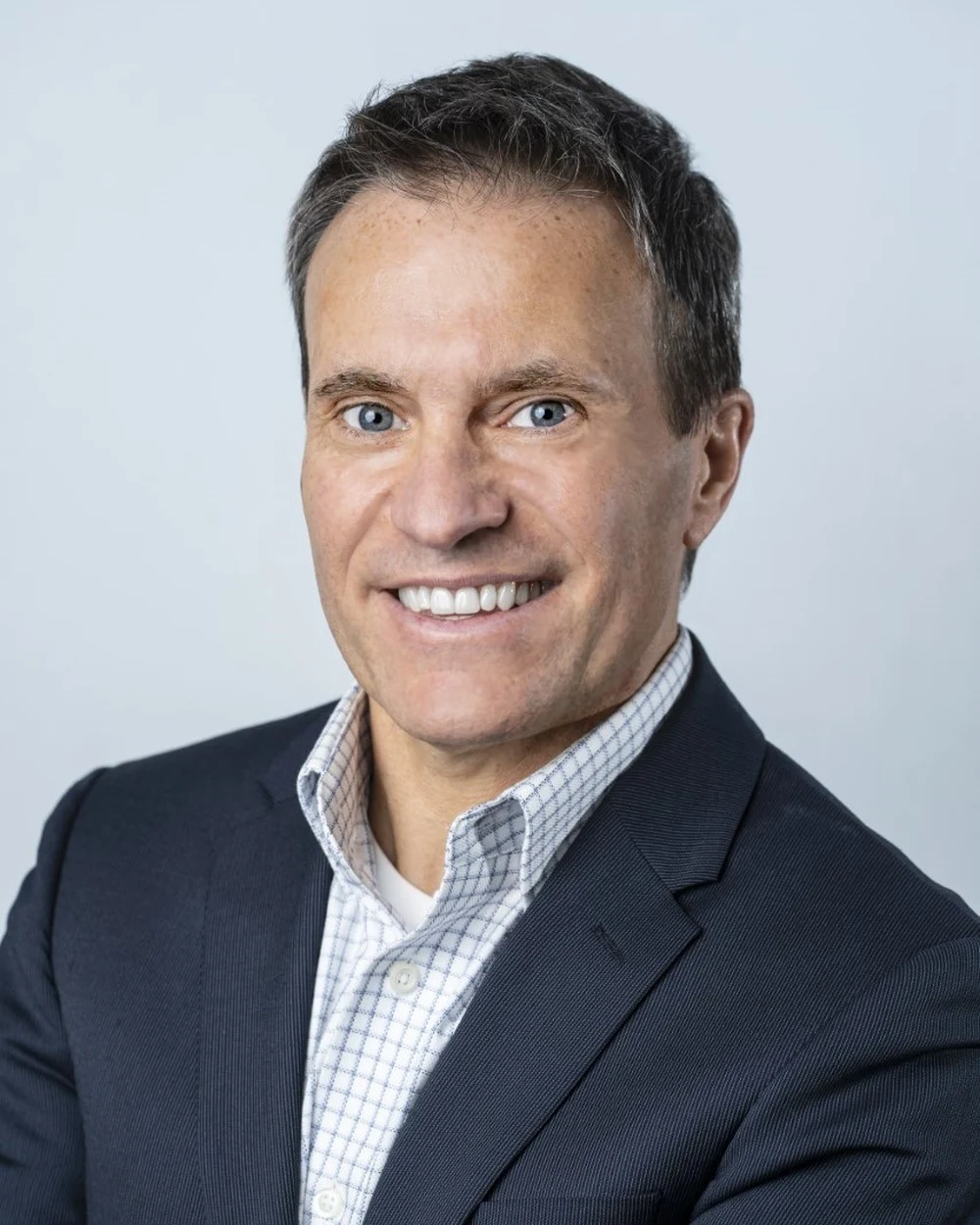
Trent Praski leads investment and development at Venture Pacific, sourcing missing-middle opportunities across Metro Vancouver and the Fraser Valley and structuring transparent homeowner and investor partnerships.
Full profile