
The 2-5-10 home warranty, explained for new multiplex owners
Every new multiplex unit in BC comes with mandatory home warranty insurance. Here's what the 2-5-10 actually covers, what it doesn't, and how it transfers when you sell.
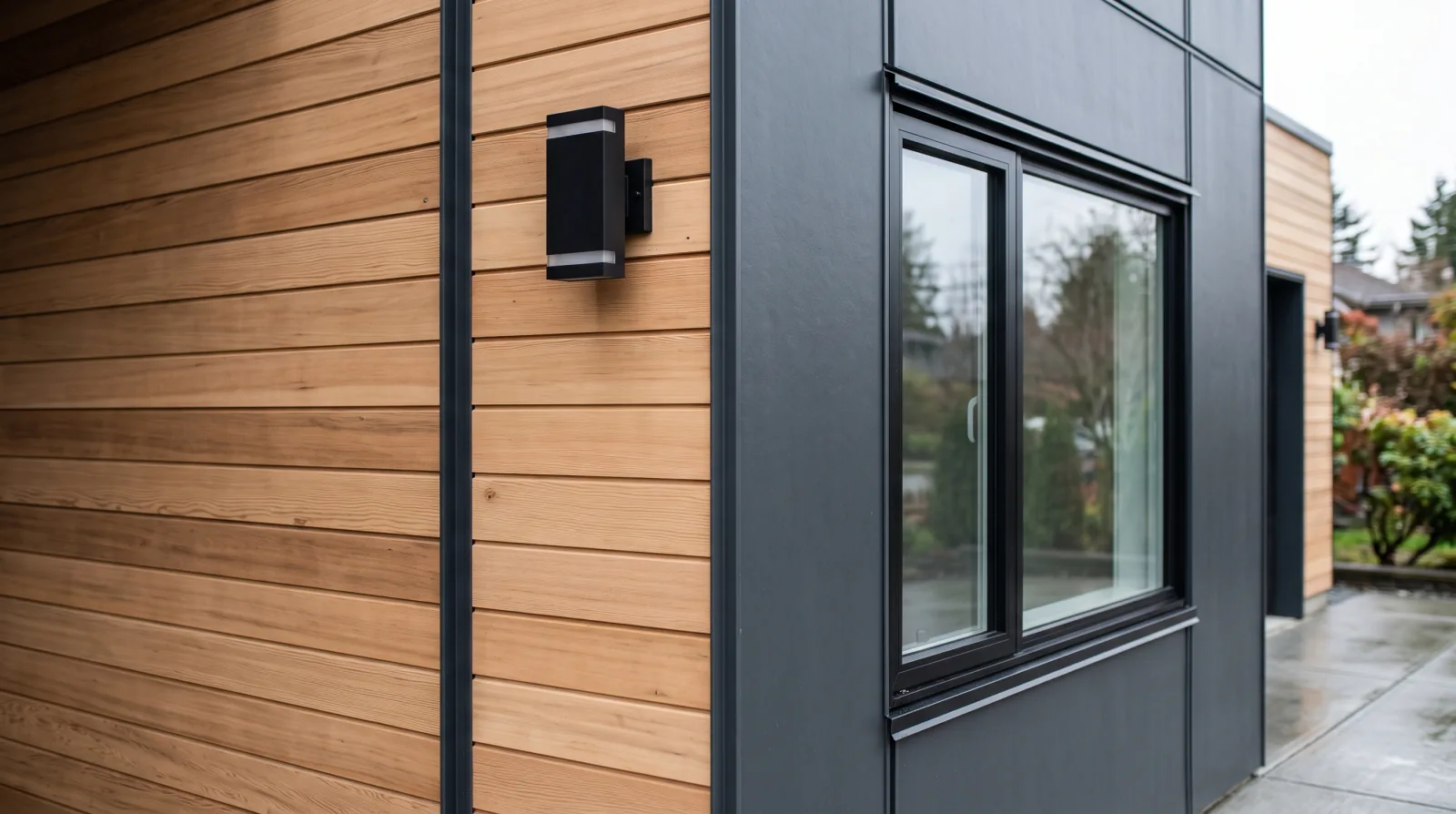
In short, BC's mandatory 2-5-10 home warranty covers new multiplex units: 2 years on labour and materials (12 months broad for a dwelling unit, 15 months for strata common property, and a 24-month tier for major systems, exterior cladding, windows and doors, and any defect making the home unfit to live in), 5 years on the building envelope against unintended water penetration causing material damage, and 10 years on structural defects. Coverage has dollar limits (strata unit to the lesser of purchase price or $100,000; detached to the lesser of price or $200,000), transfers automatically to new owners, starts at first occupancy or transfer of title, and only applies to homes built by a licensed residential builder registered with one of BC's five warranty providers.
Buy a new multiplex unit anywhere in British Columbia and it arrives with insurance you didn't have to shop for. It's mandatory, the builder pays for it, and it sits in the background until the day a window leaks or a foundation crack appears. Then it matters a lot. Most owners we hand keys to in Vancouver or Burnaby have heard the phrase "2-5-10" and have only a rough idea what it means.
So here's the plain version, what it covers, where the limits are, what it won't touch, and the one thing that actually determines whether you have it at all.
Where the warranty comes from
BC law requires that almost every new home built for sale carries home warranty insurance from a licensed warranty provider, and that the home be built by a licensed residential builder. This is set out in the Homeowner Protection Act and its regulation, and administered by BC Housing. The warranty isn't optional, and it isn't something the builder offers as a perk, it's a condition of building lawfully.
That structure exists because of the leaky-condo era, when thousands of BC homes failed at the envelope and owners had no recourse. The 2-5-10 was the province's answer. As of 2026 there are five licensed home warranty insurance providers operating in BC, and the building must be registered with one before it's built and sold. The coverage minimums are the same across all five, because they're written into the regulation rather than left to each insurer.
The 2: labour and materials
The first number is two years of coverage on labour and materials, but it's tiered, which is the part people miss. For the first 12 months, coverage applies broadly to defects in materials and labour in a dwelling unit. In a strata multiplex, common property gets 15 months of that broad coverage. Then a 24-month tier covers a defined set of things: the electrical, plumbing, heating, ventilation, and air-conditioning delivery and distribution systems; exterior cladding, caulking, windows, and doors; and any defect that makes the home unfit to live in.
In plain terms, the broadest protection is in year one (or 15 months for shared strata property), and a narrower, more targeted band carries through year two. If a heat pump in your Coquitlam unit was installed wrong, or the caulking around a window fails early, that's the kind of thing the 24-month tier is built for.
Does a Building Code slip count as a defect?
This is where a lot of homeowners, and more than a few articles, get it wrong, so it's worth being exact. A Building Code violation is not automatically a warranty claim. The Homeowner Protection Act Regulation treats non-compliance with the Building Code as a covered defect only when the non-compliance either constitutes an unreasonable health or safety risk, or has resulted in (or is likely to result in) material damage to the home.
That distinction matters in practice. A code deviation that endangers occupants or leads to real damage falls inside the warranty. A technical deviation that does neither may be a compliance matter for the municipality's building department, but it isn't, on its own, a claim your warranty provider will pay out. We flag this because the difference decides who you call, the provider, the builder, or the city, and getting it wrong wastes weeks.
The 5: the building envelope
Five years of coverage on the building envelope is the heart of the 2-5-10, and it's the reason the whole system exists. The envelope is the assembly of materials that separates the inside of your home from the weather outside. The coverage is triggered by a defect in the envelope that permits unintended water penetration causing, or likely to cause, material damage.
Be precise about that trigger, because it's easy to overstate. It's unintended water getting in and doing damage, not any dampness, condensation, or mould by itself. Condensation or mould can qualify when it stems from a covered envelope defect that reaches the material-damage threshold, but neither is a standalone covered event. On a rainy Marpole or Kitsilano site, this five-year window is exactly why careful rainscreen and flashing detailing during construction is non-negotiable. The defects that surface here are the expensive ones, which is the whole reason the province put a five-year clock on them.
The 10: structural defects
Ten years covers structural defects, and the regulation gives two triggers. One is a defect in materials and labour that results in the failure of a load-bearing part of the home. The other is a defect that causes structural damage which materially and adversely affects your ability to use the home as a residence.
Notice the actual language: "load-bearing part" and structural damage that makes the home unusable. The regulation doesn't enumerate seismic or wind-load failures by name, even though Metro Vancouver and the Fraser Valley sits in an active seismic zone, the coverage is written around load-bearing failure and structural damage, and that's the standard a claim gets measured against. It's a long window because structural problems can take years to show themselves, long after the trades have moved on.
The limits and how it transfers
The 2-5-10 isn't unlimited. There are dollar caps, and they depend on the type of dwelling:
- A strata or multi-unit dwelling unit: the lesser of its original purchase price or $100,000.
- A fee-simple detached unit: the lesser of its original purchase price or $200,000.
- Common property in a strata: the least of total original purchase price, $100,000 per unit, or $2,500,000 per building.
Coverage starts at the earliest of first occupancy, the occupancy permit date, or transfer of title, not when construction finishes. And it follows the home, not the owner. If you sell your New Westminster multiplex unit four years in, the buyer automatically inherits the unused balance of the 5-year envelope and 10-year structural coverage. No fee, no paperwork, no notice to the provider required. That transferability is a genuine advantage when you resell a newer multiplex unit.
What the warranty doesn't cover
Just as useful as knowing what's covered is knowing what isn't. The 2-5-10 insures defects in the new construction. It doesn't cover normal wear and tear, damage the owner causes, problems from skipped maintenance, or items that sit outside the defined scope. An appliance that dies past its own manufacturer warranty, a wall you scuffed moving a couch, or water damage from a gutter nobody cleaned, those are on the owner, not the warranty.
Each warranty certificate also lists exclusions and the steps for making a claim, including deadlines. Read them when you take possession, not when something breaks. Owners who know the boundaries ahead of time make cleaner claims and avoid the frustrating call where a provider explains, politely, that the thing they're upset about was never in scope.
Maintenance is the exclusion that trips up the most owners, so it's worth naming plainly. A warranty covers defects in how the home was built, not the consequences of not looking after it once you own it. Gutters that were never cleaned, a caulking line no one refreshed, a sump left unchecked, problems that trace back to skipped upkeep sit outside the 2-5-10, even inside the coverage window. Keep your maintenance records, because when a claim is borderline, being able to show the home was cared for is often what tips it in the owner's favour.
How a claim actually works
When something does go wrong, the warranty runs on the provider, not the builder, that's the whole point of insurance backing it. You report the defect to the warranty provider named on your certificate, in writing, within the coverage period and within the claim deadlines the certificate sets out. Miss the window and even a legitimate defect can fall outside coverage, which is why we tell owners to read those dates the day they get the keys.
In a strata multiplex, there's a split worth understanding. Defects inside your own unit are yours to report; defects in the common property, the roof, the shared envelope, the parkade, the structure everyone relies on, usually run through the strata corporation. On a Vancouver or Surrey strata project, that means the strata council should be tracking the building's warranty timeline as carefully as any individual owner tracks their unit's. A missed common-property deadline hurts everyone, not one owner.
The step that actually protects you
All of this hinges on one thing: the home being built by a licensed residential builder and registered with a warranty provider. BC Housing runs a public registry where you can search a builder's licence, their warranty provider, and any past claims or disciplinary history. We tell every partner to use it, not because they should doubt us, but because verifying the builder is the single best protection a homeowner has, and it's free.
When we build a multiplex in a GP/LP partnership, the warranty registration is part of how the project is set up from the start, and we walk landowners and investors through exactly what coverage their finished units carry. If you're planning a multiplex in Vancouver, Burnaby, or Richmond and want to understand how warranty, licensing, and quality control fit together before you commit, start with a conversation through our Construction & Quality Control service, and pair it with a Feasibility & Equity Review, getting these foundations right is the whole point.
Frequently asked
Does the 2-5-10 warranty cover a multiplex unit the same as a detached house?
The coverage tiers are identical, 2 years labour and materials, 5 years envelope, 10 years structural, but the dollar limits differ. A strata multiplex unit in Vancouver is covered to the lesser of its original purchase price or $100,000, while a fee-simple detached home is covered to the lesser of price or $200,000. Common property in the strata carries its own separate limit on top.
Does the warranty transfer if I sell my multiplex unit?
Yes, automatically. Under the Homeowner Protection Act Regulation, all unused warranty benefits transfer to the next owner on a change of ownership, with no fee and no notice required to the provider. A buyer in Burnaby or New Westminster inherits whatever time is left on the 5-year and 10-year coverage, which makes a newer multiplex unit an easier sell.
How do I confirm my builder is licensed to provide the warranty?
BC Housing runs a public registry where you can search a builder's licence status, the warranty provider on file, and any past claims or disciplinary actions. Before signing anything, look the builder up there. Only a licensed residential builder can legally build a new home for sale in BC, and only a home registered with a warranty provider carries the 2-5-10.
Is a Building Code violation automatically a warranty claim?
No, and this is a common misunderstanding. Under the Homeowner Protection Act Regulation, non-compliance with the Building Code counts as a covered defect only when it poses an unreasonable health or safety risk, or has caused (or is likely to cause) material damage to the home. A minor deviation that does neither is not, on its own, a warranty claim.
When does the 2-5-10 coverage actually start?
Coverage begins at the earliest of first occupancy, the date the occupancy permit is issued, or transfer of title, not when the crew finishes the last coat of paint. For a strata multiplex in Vancouver, that means each unit's clock and the common property's clock can start at slightly different moments depending on when each is occupied or transferred.
How many warranty providers are there in BC, and does it matter which one my builder uses?
As of 2026 there are five licensed home warranty insurance providers operating in BC, all approved under the Homeowner Protection Act. The statutory coverage, the 2, the 5, and the 10, is the same regardless of which provider a builder registers with, because the minimums are set by regulation. What can differ is the claims process and any coverage the provider offers above the legal floor.
Does the 5-year envelope coverage include mould or condensation?
The 5-year tier is triggered by a defect in the building envelope that permits unintended water penetration causing, or likely to cause, material damage. Condensation or mould can qualify when it stems from a covered envelope defect that meets that damage threshold, but neither is a standalone covered event on its own. On a rainy Marpole or Kitsilano site, this is exactly why careful rainscreen and flashing detailing matters during construction.
What isn't covered by the 2-5-10?
The warranty covers defects in the new construction, not normal wear, owner damage, poor maintenance, or landscaping and other items outside the defined scope. Things like a dead appliance past its own manufacturer warranty, a scuff you put on a wall, or damage from neglecting maintenance fall outside it. The regulation and your warranty certificate spell out the exclusions, and reading them before you need them saves a frustrating phone call later.
Wondering what your lot could become? Book a free consultation to find out how many units you could build on your property, whether it's a feasible project, and how our GP/LP partnership structure works.
Written by

Real Estate Developer
Trent Praski leads investment and development at Venture Pacific, sourcing missing-middle opportunities across Metro Vancouver and the Fraser Valley and structuring transparent homeowner and investor partnerships.
Full profile