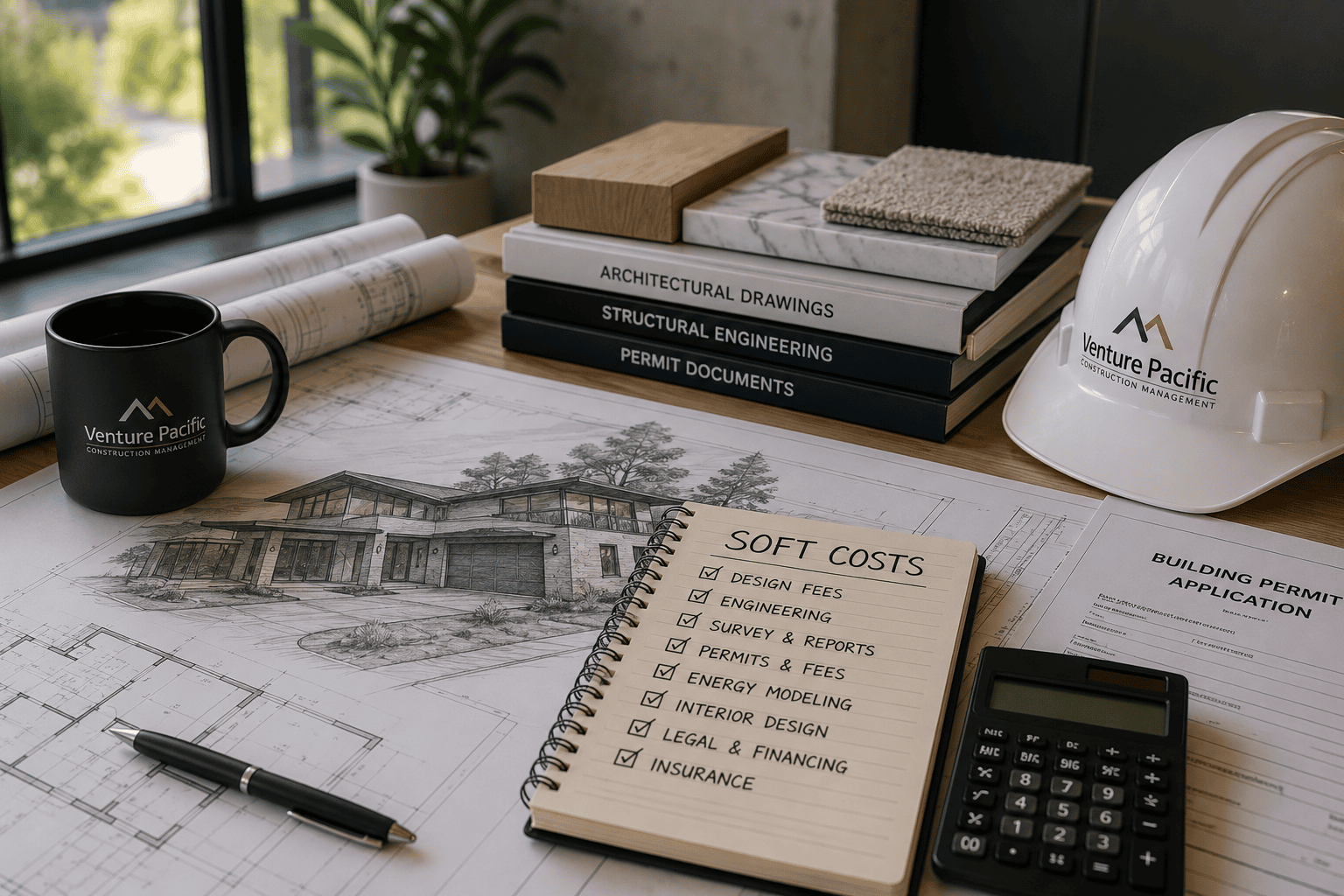

Good custom home or renovation planning helps homeowners make better decisions before drawings, pricing, and timelines become harder to adjust.
Planning a custom home or renovation often starts with a simple goal. You want a home that works better for the way you live. In some cases, that means building from the ground up. In others, it means transforming the home you already have.
What many homeowners do not expect is how complex the process can become once planning moves forward. Budget questions, design decisions, permitting, scheduling, consultant coordination, and construction details all need to come together at the right time.
That is where the right builder becomes valuable. Not just during construction, but much earlier in the process.
Why Custom Home or Renovation Planning Matters
Whether you are building a new custom home or undertaking a major renovation, residential projects involve far more moving parts than most people expect.
With a custom home, the complexity often comes from coordinating design, pricing, permitting, site conditions, and hundreds of selections before construction even begins.
With a renovation, the challenge is often even less predictable. Existing structures can hide surprises. Walls may not be where expected. Structural reinforcement may be needed. Electrical and plumbing systems may need upgrades. Site conditions can shift once work begins.
In both cases, complexity is not the problem on its own. The real issue is moving forward without enough planning, coordination, and clarity.
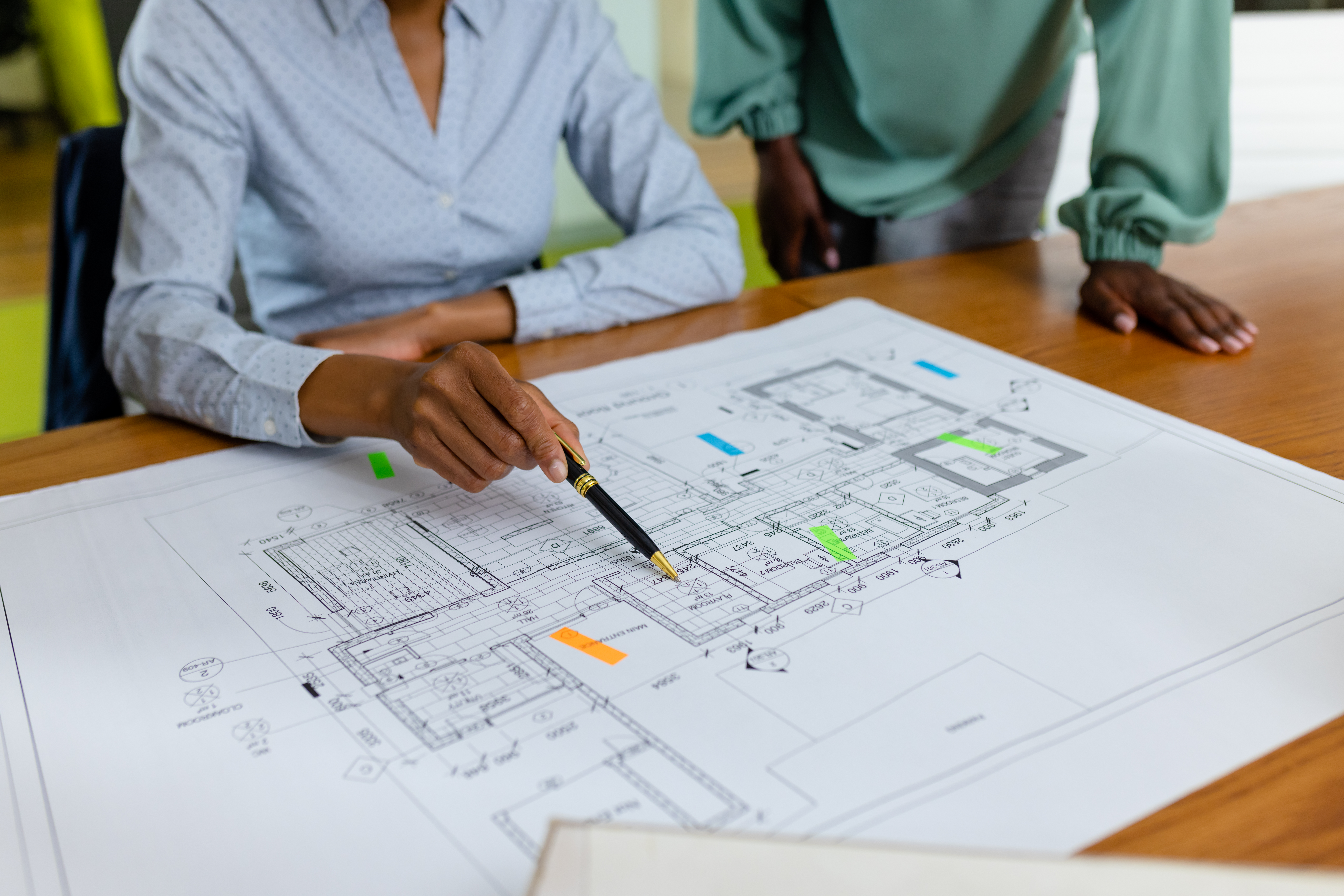
Why Early Builder Involvement Improves Custom Home or Renovation Planning
One of the biggest differences between a stressful project and a well managed one is when the builder gets involved. As we explain in The Importance of Selecting Your Builder Early in the Custom Home Process, early builder involvement can help shape better decisions before scope, budget, and timing become harder to adjust.
When a builder is brought in early, before drawings are finalized and before pricing expectations are locked in, they can help identify construction challenges, provide realistic budget guidance, coordinate with the design team, and align design intent with what is actually feasible to build.
This does not limit the design. It helps protect it.
Instead of redesigning later because of budget issues, construction constraints, or missing details, the project can be shaped more thoughtfully from the start.
Custom Home or Renovation Planning Before Construction Begins
A stress free custom home or renovation is usually the result of careful work long before construction starts.
That planning phase often includes:
Clear scope definition
Preliminary budgeting
Scheduling and sequencing
Permit strategy
Coordination with architects, designers, engineers, and trades
Review of site conditions and construction feasibility
Clarifying selections, assumptions, and priorities
When these pieces are addressed early, the project becomes far more predictable. Homeowners can make decisions with more confidence, and the team has a clearer path forward.
The Builder’s Role in Pre Construction
Many homeowners think of the builder as the person who steps in once permits are in place and construction begins. In reality, the builder can play a critical role much earlier.
During pre construction, a builder helps turn ideas and drawings into a realistic project plan. That includes reviewing constructibility, identifying budget pressure points, flagging potential risks, and helping the team understand where adjustments may be needed before those issues become expensive.
This stage is often where the most valuable decisions are made.
For a custom home, that may mean clarifying scope, reviewing timelines, and making sure design ambitions align with budget and site conditions.
For a renovation, it may mean uncovering likely problem areas, planning around existing conditions, and reducing the chance of major surprises once demolition begins.

Managing the Construction Phase
Once construction begins, coordination becomes everything.
A builder is responsible for bringing structure to the process by managing schedules, sequencing trades, supervising the site, tracking costs, and maintaining communication between all parties.
For custom homes, that structure keeps a complex new build moving forward with consistency and accountability.
For renovations, it becomes even more important because new conditions often emerge during the work. Decisions may need to be made quickly, and the project needs someone who can keep the design, budget, and schedule aligned as conditions change.
Without that coordination, delays and confusion tend to multiply.
Protecting the Design Throughout the Process
One of the biggest concerns homeowners and designers share is whether the original vision will hold up once construction begins.
The right builder helps protect the design by reviewing details carefully, coordinating with trades before installation, identifying conflicts early, and making practical adjustments without losing sight of the overall intent.
That is important in both custom homes and renovations.
In a custom home, it helps ensure the finished product reflects the level of detail and quality that was envisioned.
In a renovation, it helps bridge the gap between existing conditions and the new design direction, especially when unexpected conditions appear behind walls or under finishes.
The goal is not simply to complete the project. It is to deliver it in a way that still feels true to the original vision.

Custom Home or Renovation Planning Requires Collaboration
No successful residential project is the result of one person working alone.
Strong projects depend on collaboration between homeowners, architects, designers, consultants, trades, and the builder. Each plays a different role, but the builder is often the one responsible for bringing those moving parts together in a practical and organized way.
When that coordination is strong, the experience feels clearer and more manageable. Problems get addressed earlier. Communication improves. Decisions happen on time. The process feels more steady, even when the project itself is complex.
What a More Predictable Experience Actually Looks Like
A stress free project does not mean a project with no challenges.
Custom homes and renovations are both complex by nature. There will always be decisions to make, details to resolve, and conditions to respond to.
What makes the experience feel different is having the right structure around it.
A strong builder helps create that structure through early planning, realistic budgeting, clear communication, disciplined coordination, and proactive problem solving.
The difference is not in avoiding complexity. It is in managing complexity properly.
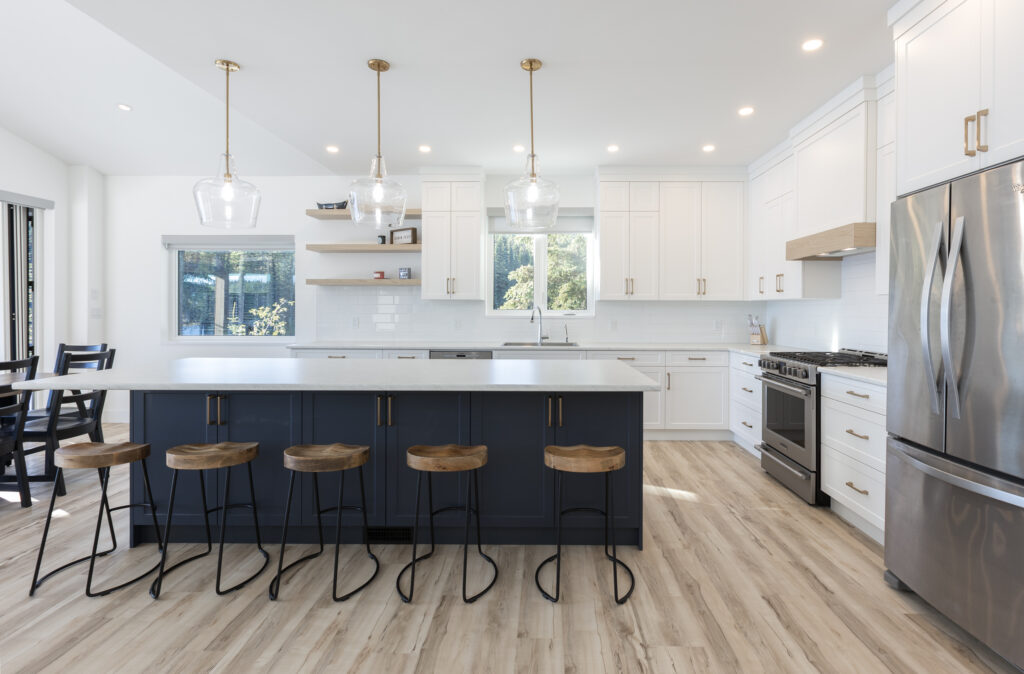
Thinking About Custom Home or Renovation Planning?
In both new builds and major renovations, custom home or renovation planning creates a more predictable path from early ideas to construction.
If you are considering a custom home or major renovation, one of the most valuable steps you can take is starting the conversation before the design gets too far ahead of budget, schedule, or site realities.
Understanding the scope, priorities, risks, and decision making process early can make a significant difference in how the project unfolds.
Whether you are building new or renovating, the right builder can help bring clarity to the process from the beginning.
If you are exploring a project and want to understand what the process could look like before moving too far forward, schedule a consultation with our team. We can help you evaluate the next steps with more clarity and confidence.