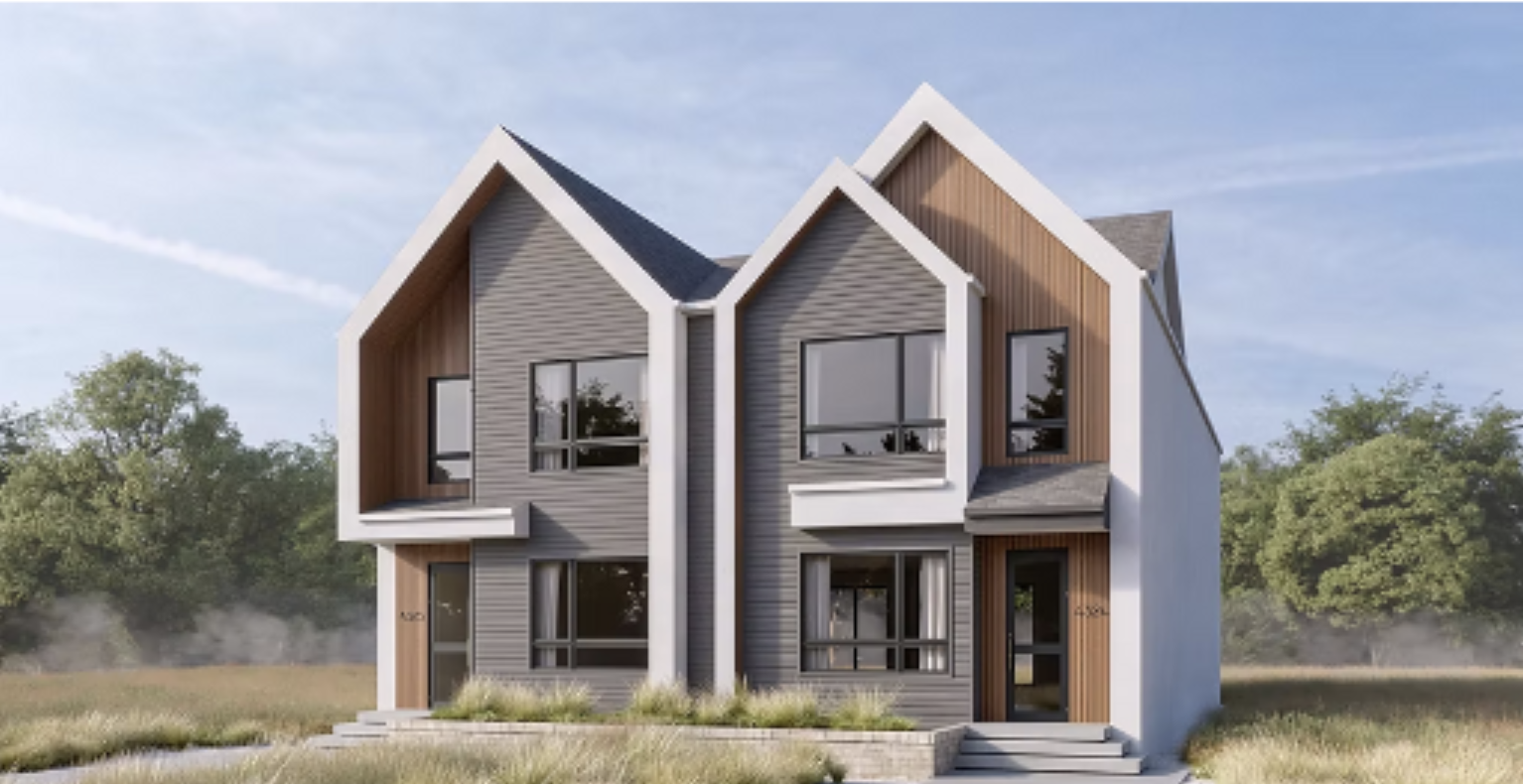

Vancouver multiplex development is becoming an important conversation for homeowners who are evaluating the long term potential of their property.
Across Vancouver, something significant is happening in residential neighbourhoods.
For decades, most lots were zoned for single-family detached homes. That framework shaped how neighbourhoods grew and how architects, designers, and builders approached residential projects.
Today, that model is beginning to shift.
New provincial and municipal policies are encouraging the development of more housing within existing neighbourhoods. The goal is not high-rise development everywhere, but rather what planners often call “gentle density,” small-scale multi-unit housing that fits within established communities.
For architects, designers, builders, and homeowners, this change is creating a new set of possibilities—and a new set of questions.
Why Density Is Becoming a Bigger Conversation
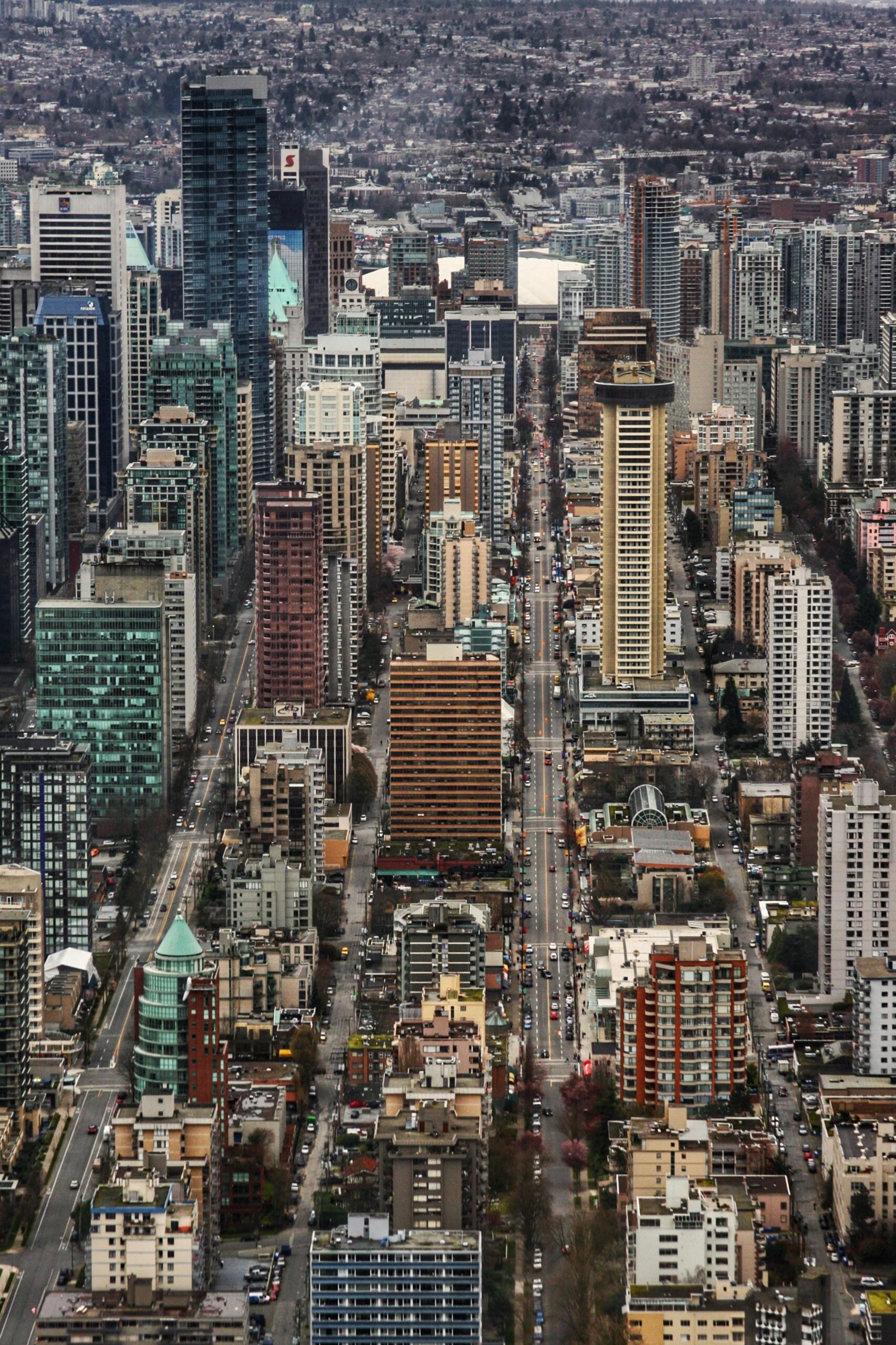
Vancouver continues to face housing pressure. Population growth, limited land supply, and rising prices have pushed governments to reconsider how residential land is used.
In response, the Province of British Columbia and local municipalities have introduced policies intended to increase housing supply without dramatically changing neighbourhood character.
Instead of large apartment buildings, many of these policies focus on housing types such as:
- duplexes
- fourplexes
- multiplex homes
- laneway houses
- secondary suites
These forms of housing allow more people to live within existing neighbourhoods while maintaining the scale and feel of the surrounding community.
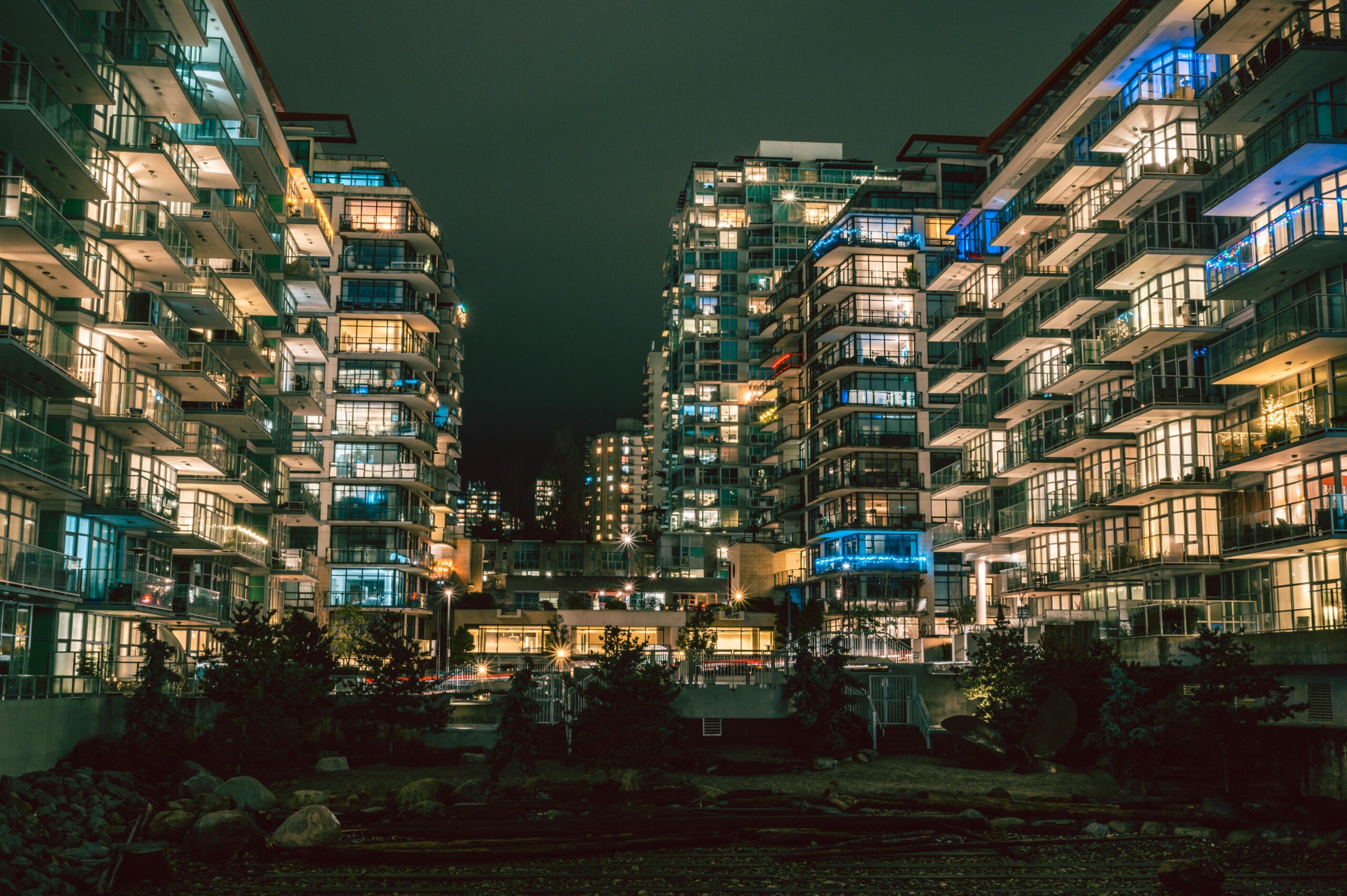
What This Means for Residential Properties
For some homeowners, these changes may alter how their property is evaluated.
Lots that previously supported only one detached home may now allow multiple units, depending on the zoning, lot size, and location. That does not mean every property automatically qualifies, but it does introduce new options that did not exist a few years ago.
As a result, conversations around residential property are beginning to evolve.
Instead of simply asking whether to renovate or rebuild a single home, some property owners are now asking a different question:
What could this land support today?
Answering that question requires careful evaluation of zoning rules, site constraints, and financial feasibility.
What It Means for Architects and Designers
For architects and designers, density changes introduce both creative opportunities and new design challenges.
Multiplex housing requires thoughtful planning to ensure additional units integrate comfortably within existing neighbourhoods. Considerations often include building massing, access, privacy between units, parking requirements, and outdoor space.
Good design becomes even more important as density increases. Projects need to balance livability with neighbourhood context, ensuring that additional housing still feels cohesive with the surrounding environment.
Architects who are comfortable working within these constraints will likely play an important role in shaping how Vancouver neighbourhoods evolve.
Construction and Feasibility Considerations
While zoning changes create new opportunities, the construction side of the equation remains complex.
Multiplex development often involves additional structural requirements, fire separation considerations, servicing upgrades, and more detailed coordination between consultants. Construction costs, site conditions, and municipal approvals all influence whether a project ultimately makes sense.
This is where early collaboration between designers and builders can be particularly valuable. When builders are involved early in the planning process, they can help evaluate construction implications, flag potential challenges, and provide practical feedback that supports better design decisions.
What This Could Mean for Homeowners
For some homeowners, these policy changes may create flexibility that did not previously exist.
In certain cases, property owners may consider redevelopment strategies that include multiple homes on the same lot. For example, some homeowners explore the possibility of building several units and retaining one while selling the others.
Others may simply want to understand whether their property holds additional long-term development potential.
Of course, redevelopment is not the right choice for every property or every homeowner. The most important step is evaluating the opportunity carefully before making any decisions.
Why Early Evaluation Matters
As density policies evolve, the most important starting point is clarity.
Zoning rules, site conditions, development costs, and market demand all influence whether a project is viable. When these factors are evaluated early, property owners and design teams can make informed decisions about how to move forward.
This is often where collaboration between architects, designers, builders, and development professionals becomes valuable.
Each perspective helps paint a clearer picture of what may actually be possible on a given property.
Looking Ahead
Vancouver’s approach to housing will continue evolving over the coming years.
New density policies are likely to shape how residential neighbourhoods grow, creating opportunities for more diverse housing options while maintaining the character of established communities.
For those involved in residential design and construction, staying informed about these changes is becoming increasingly important.
Understanding the policies is the first step. Understanding how they apply to real properties is where the conversation truly begins.
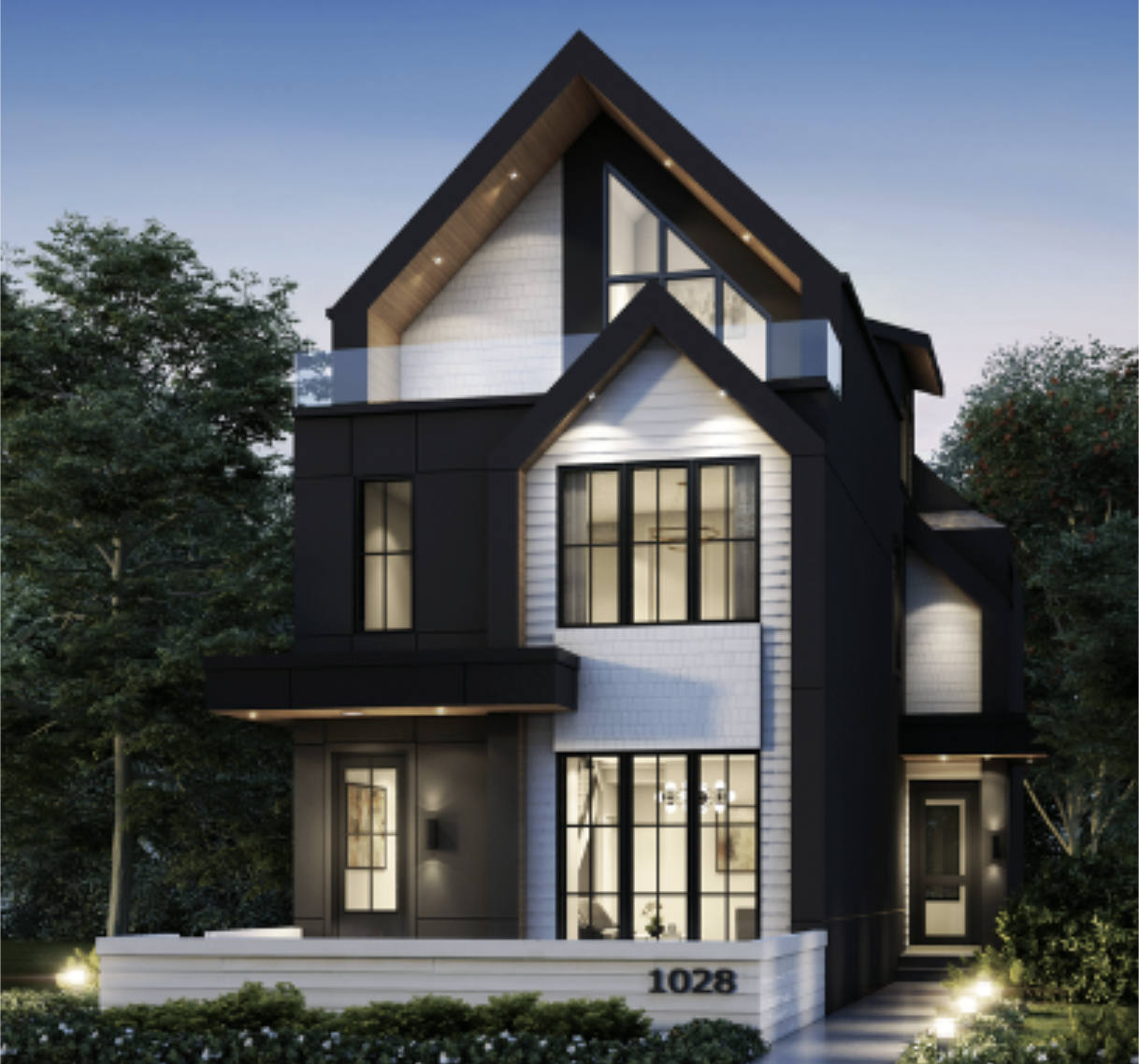
Curious What Your Property Could Support?
If you are exploring redevelopment possibilities or working with a property that may benefit from Vancouver’s new density policies, a structured feasibility conversation can help clarify what may be possible.
At Venture Pacific, we collaborate with homeowners, architects, and designers to evaluate development opportunities from early feasibility through construction.
If you’re curious about the potential of a property, our team would be happy to start that conversation.